The Usual Work Here
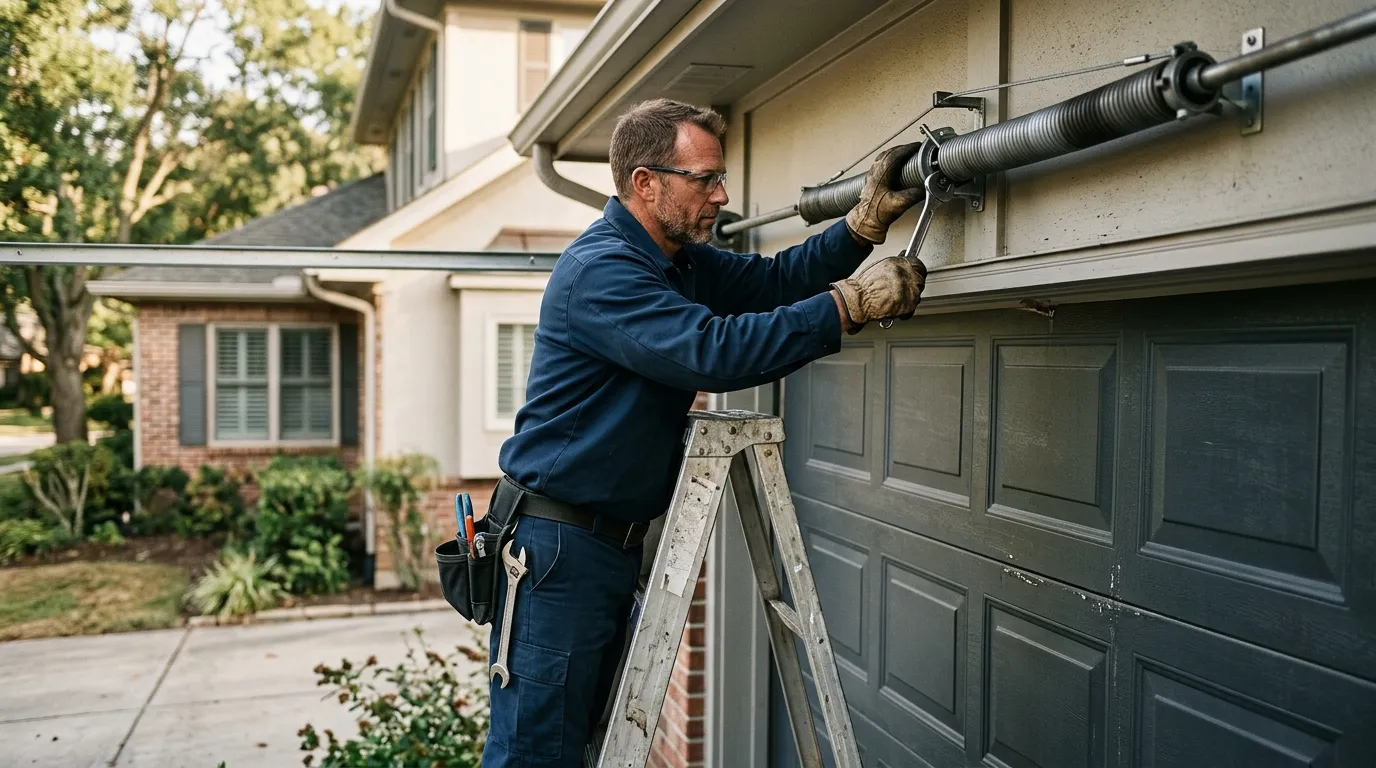
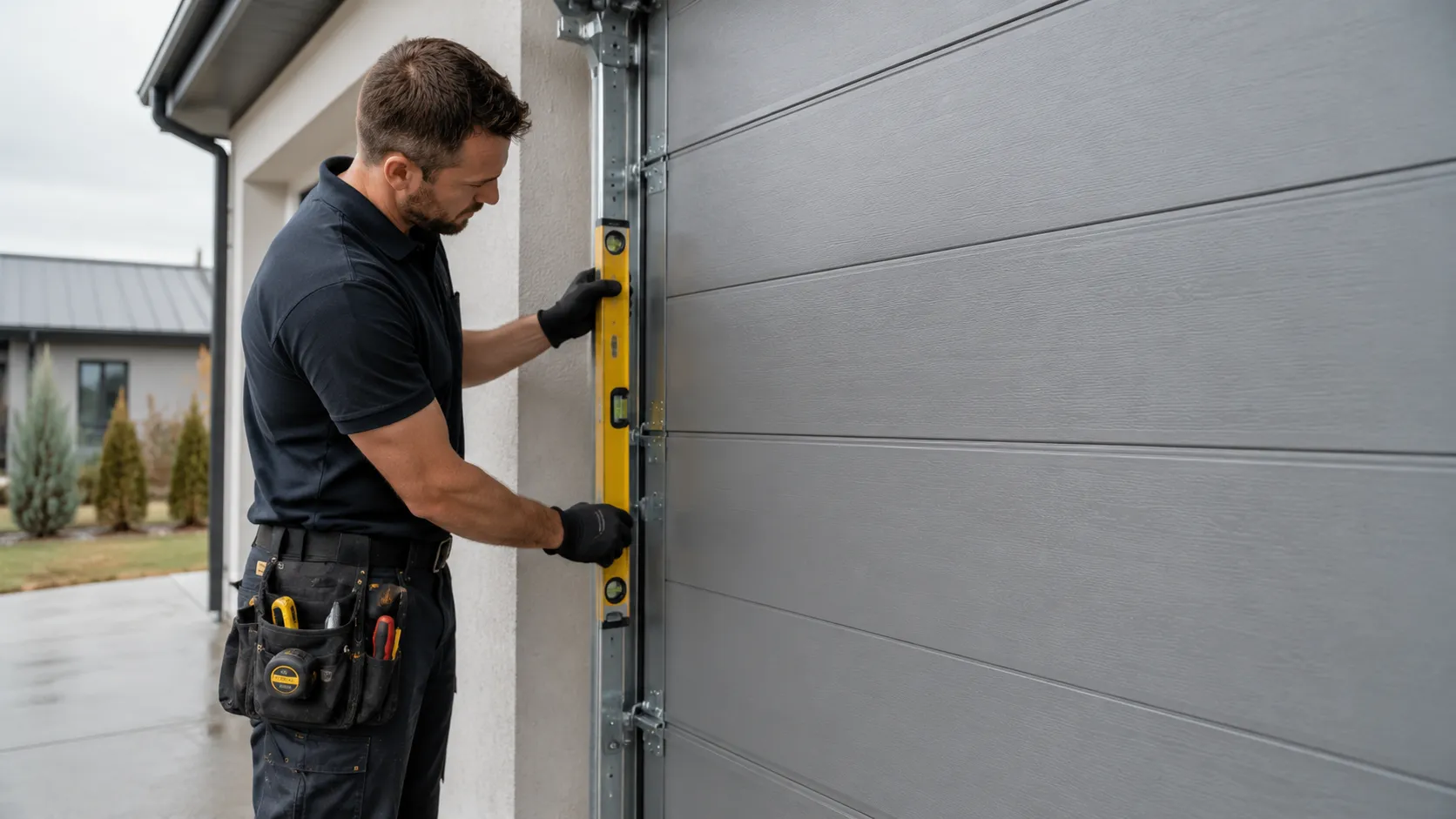
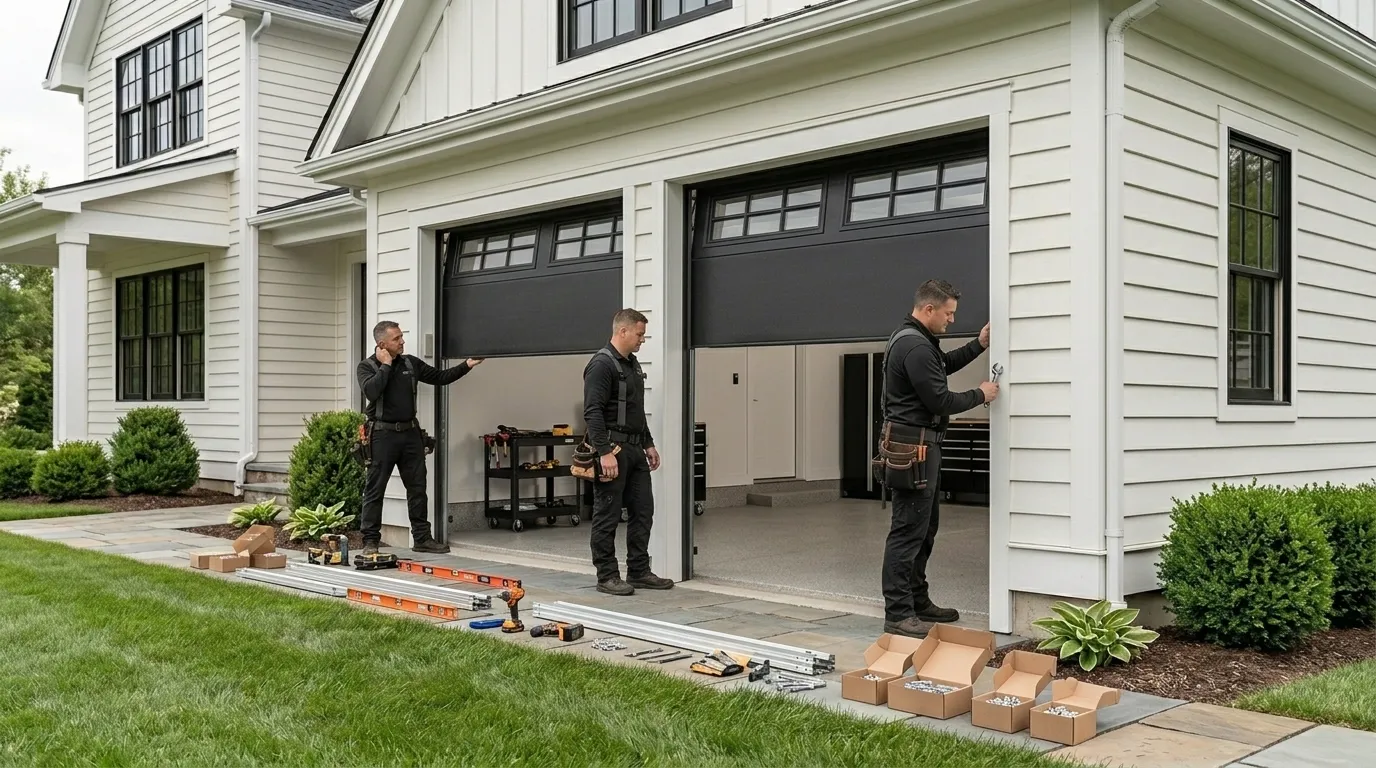
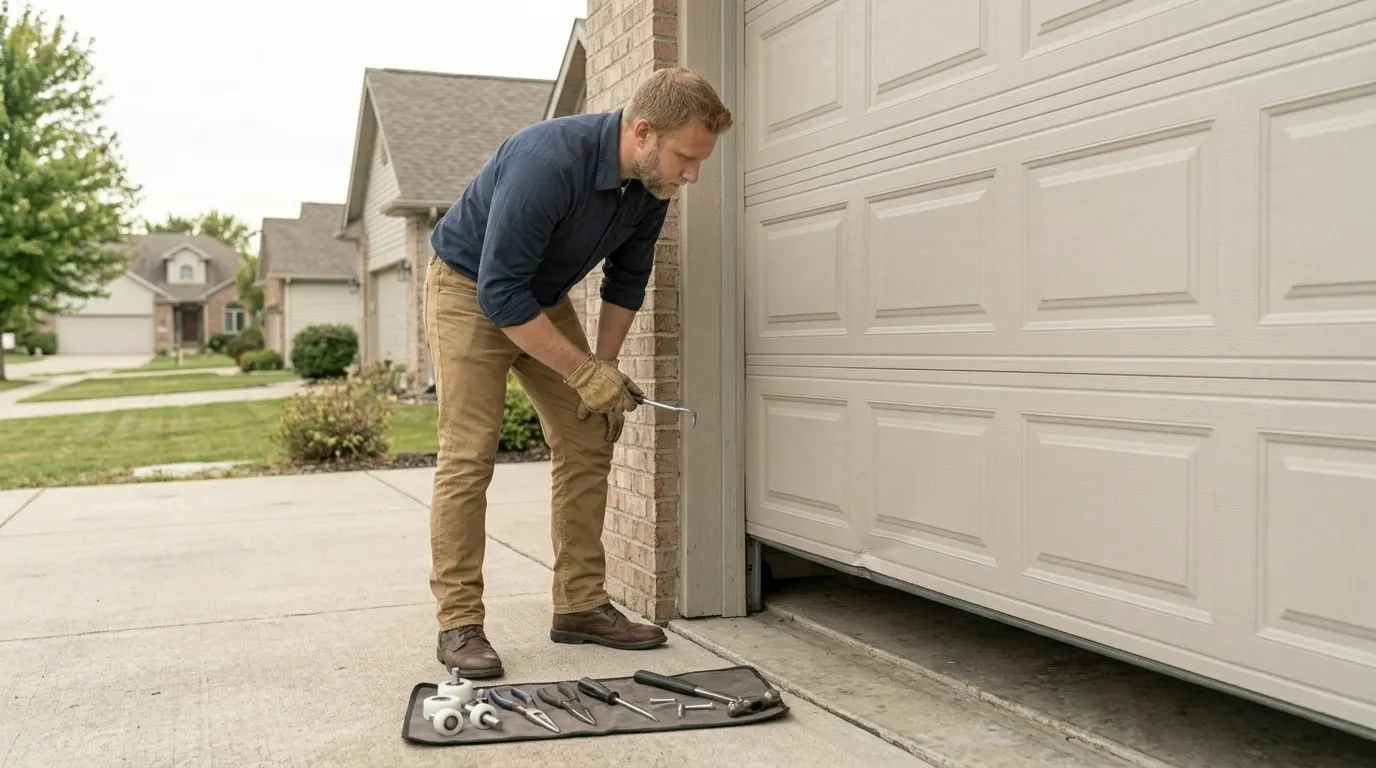
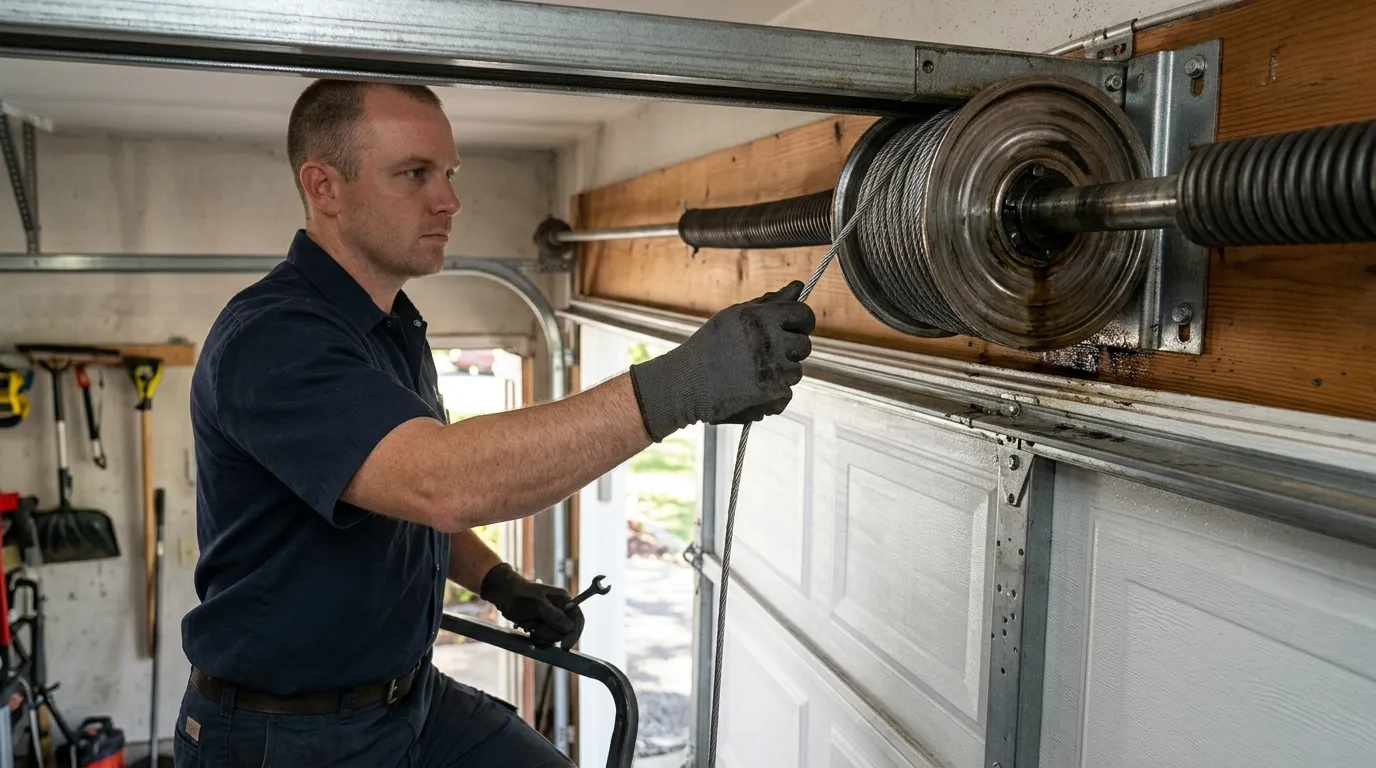
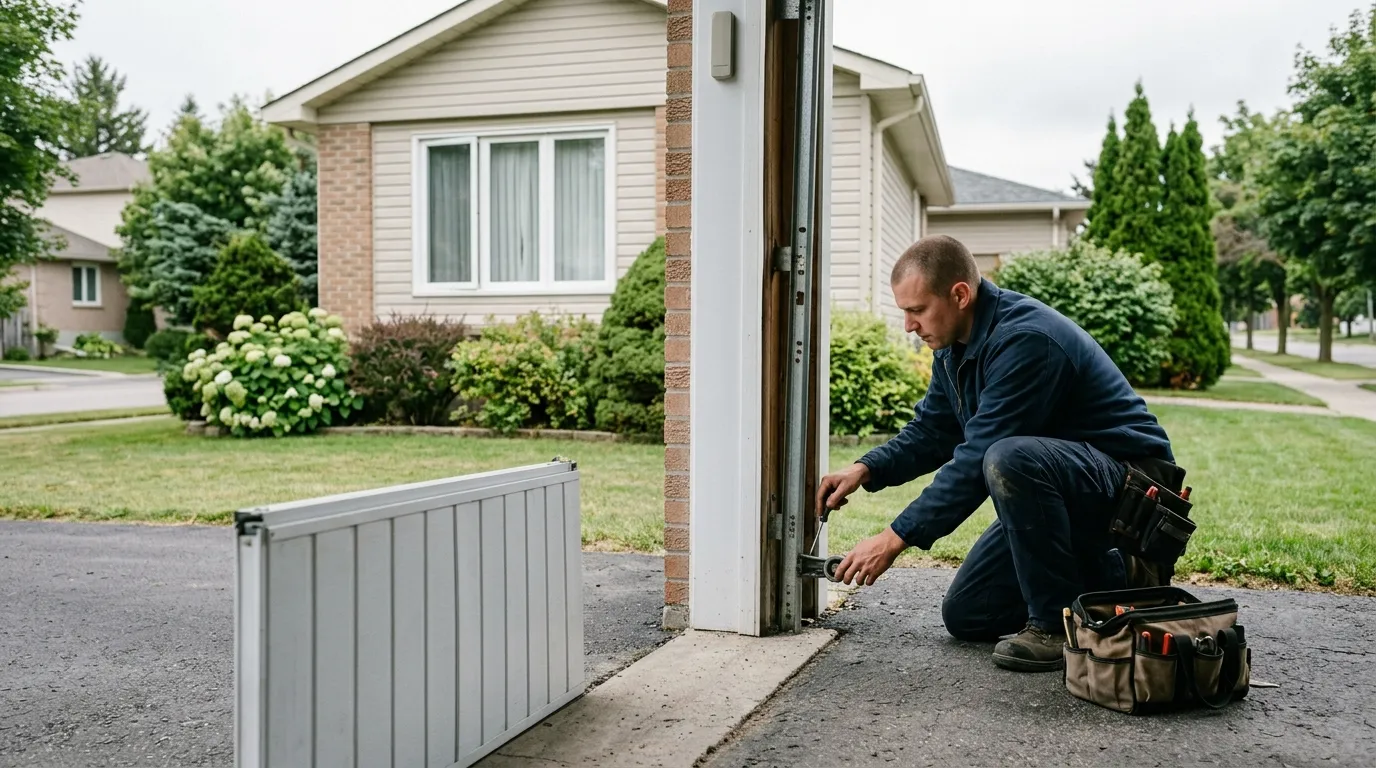
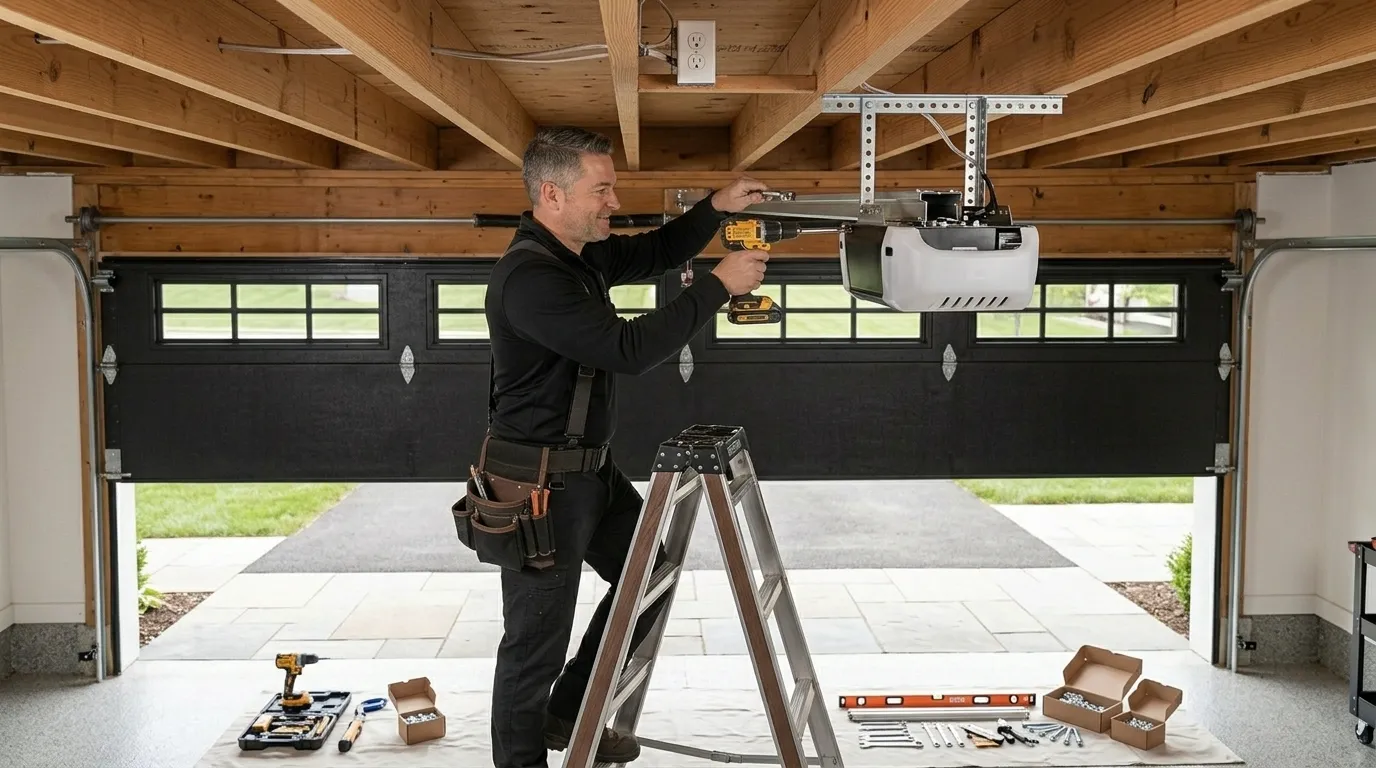
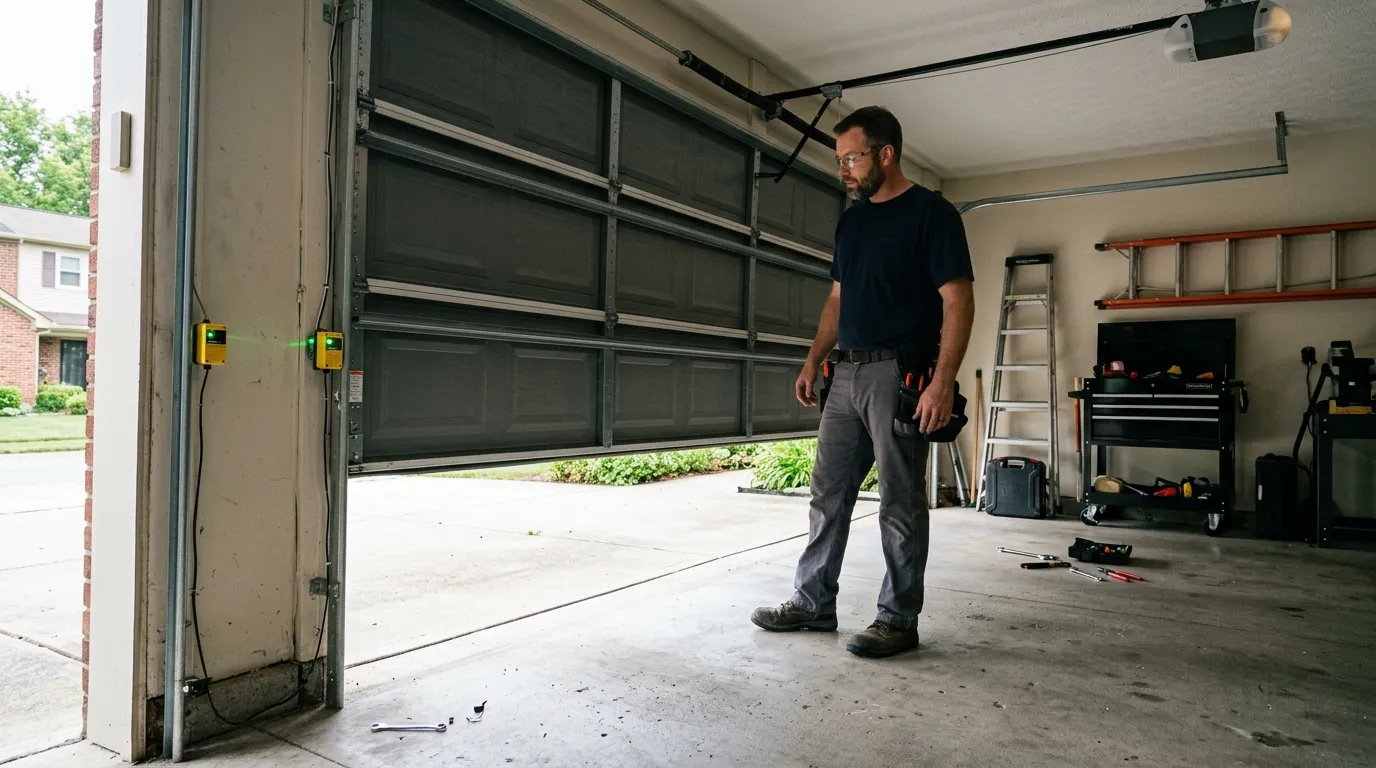
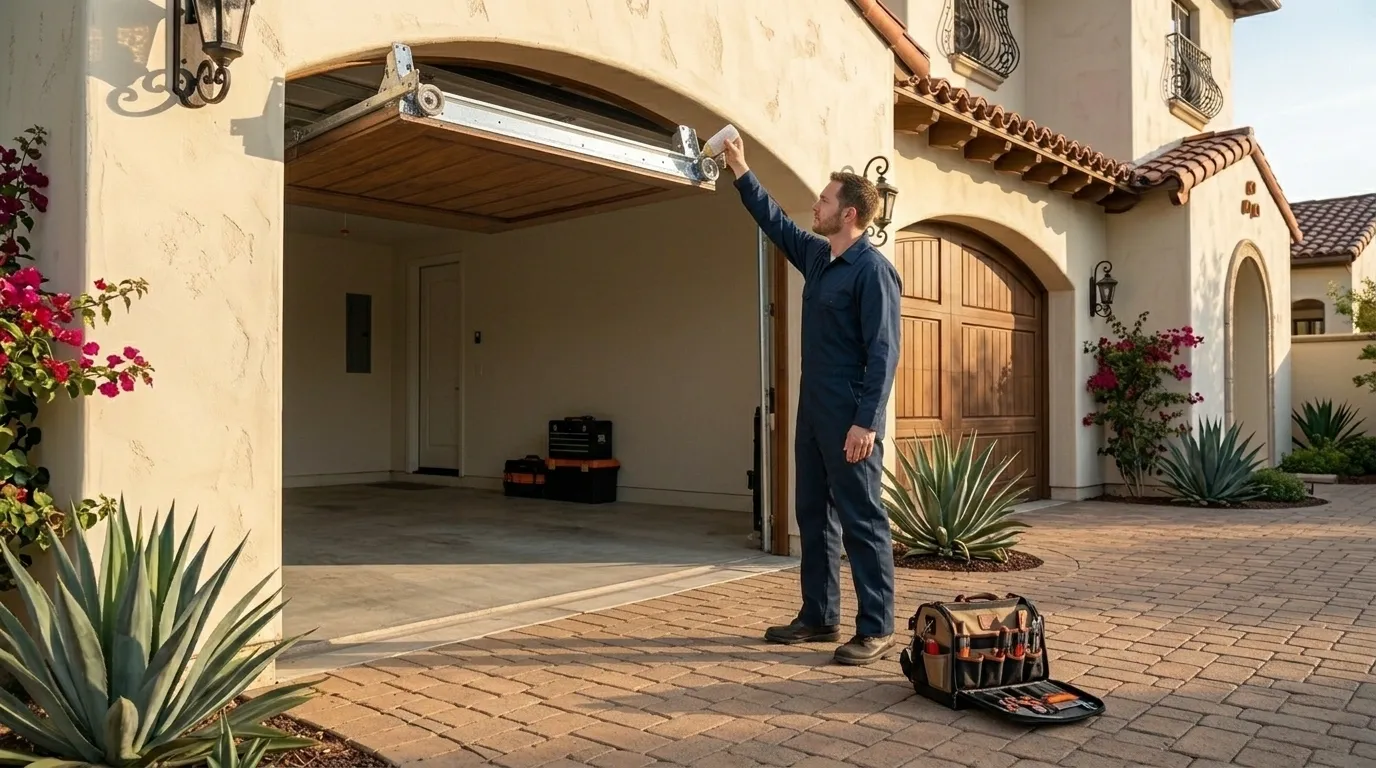
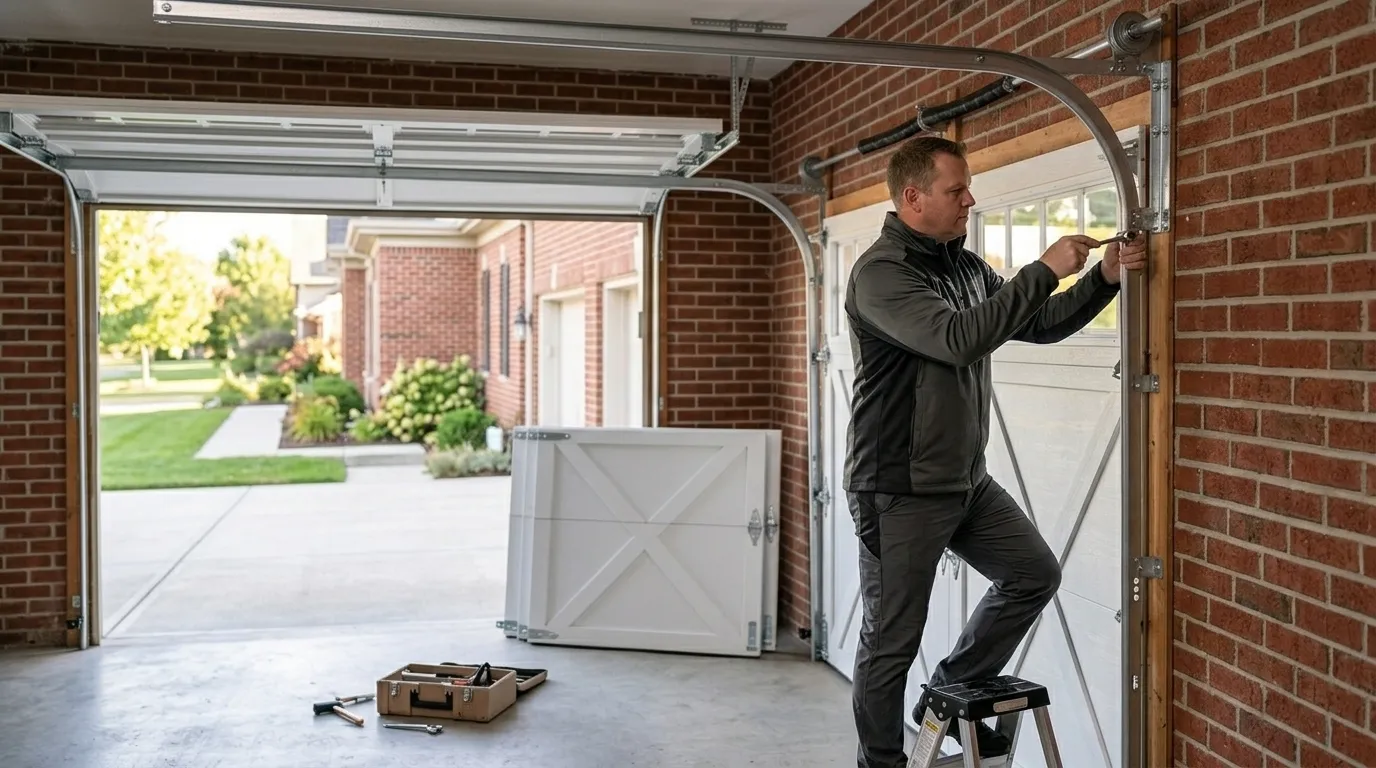
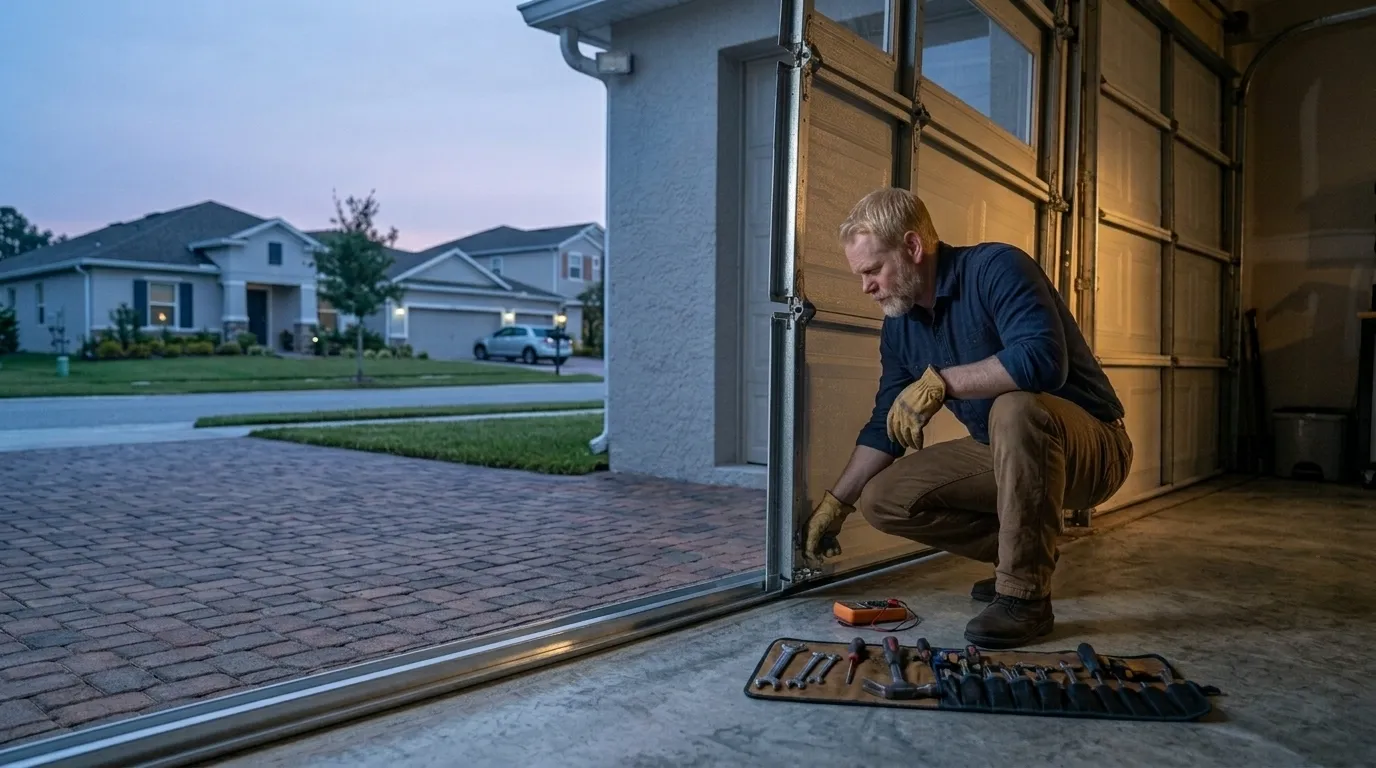
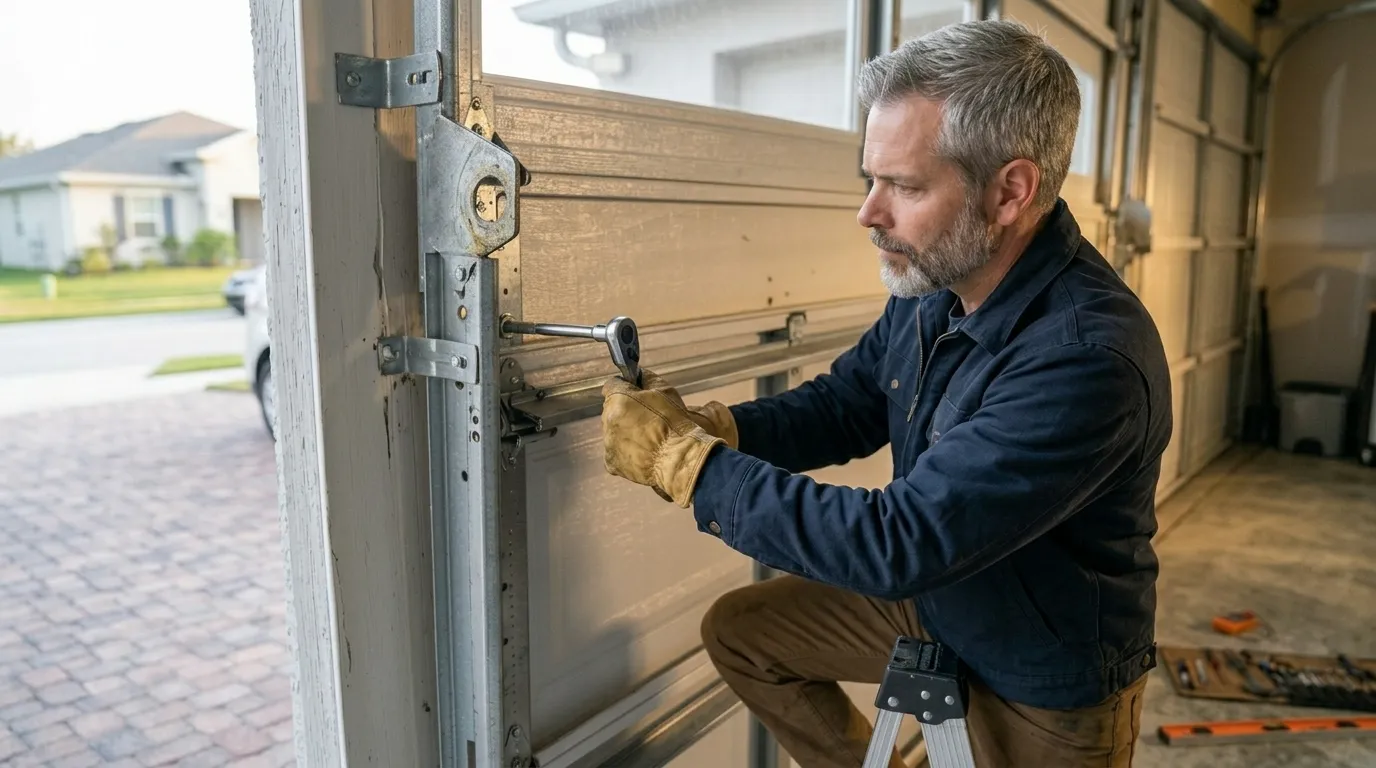
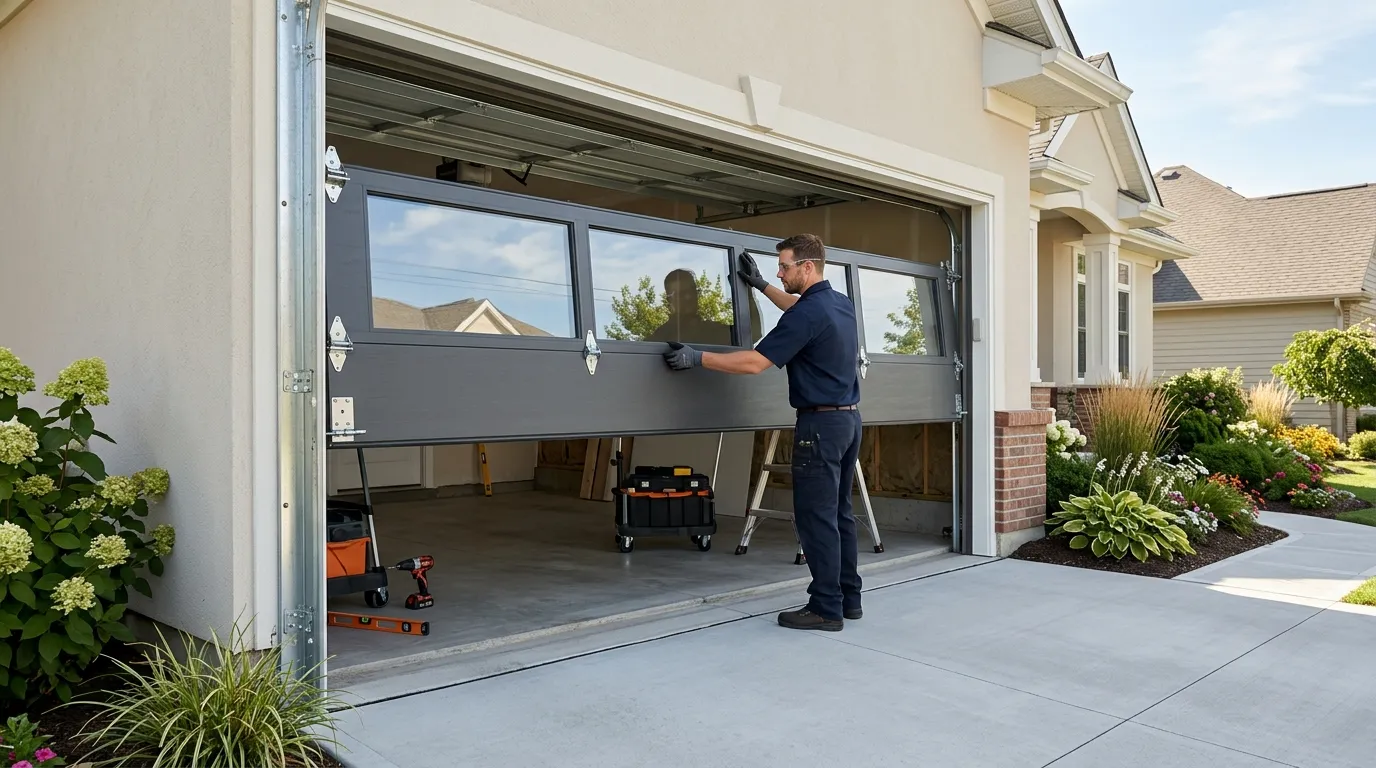
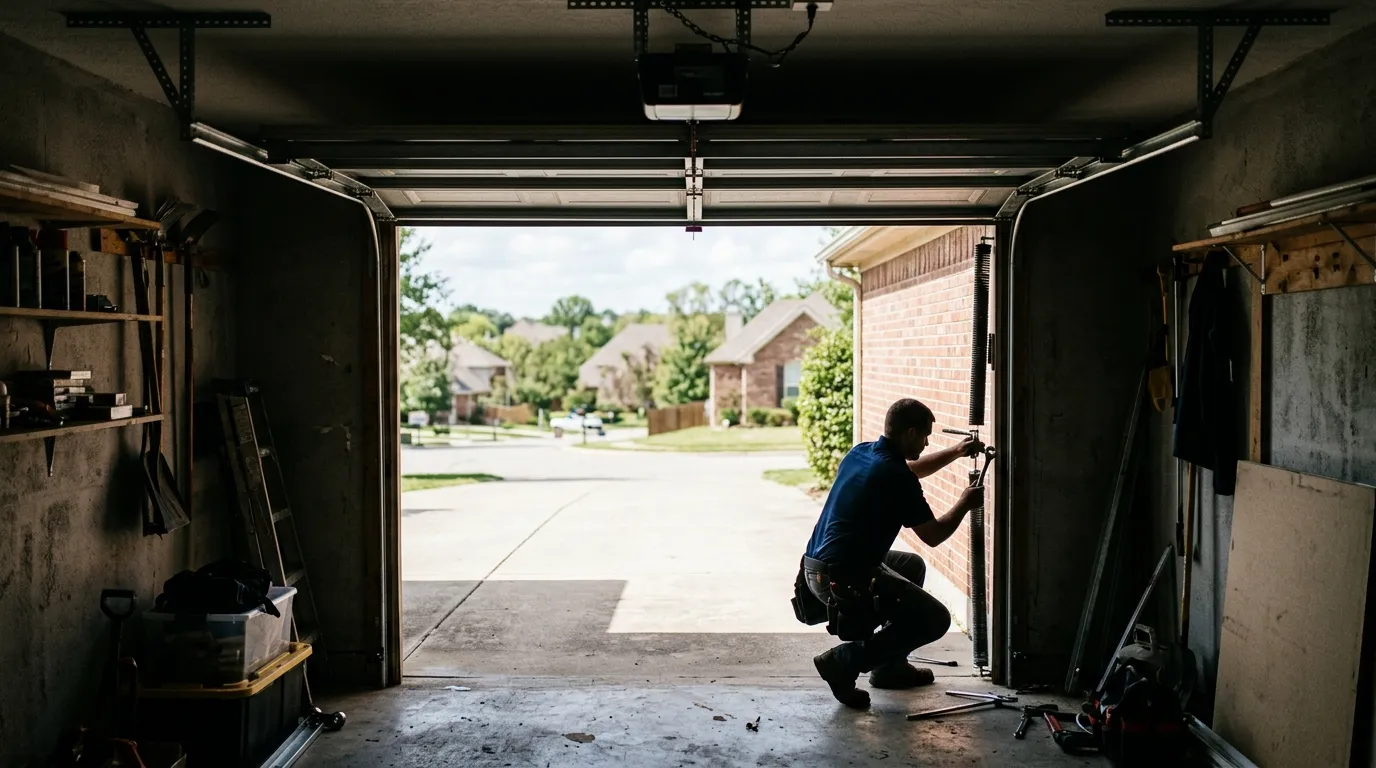
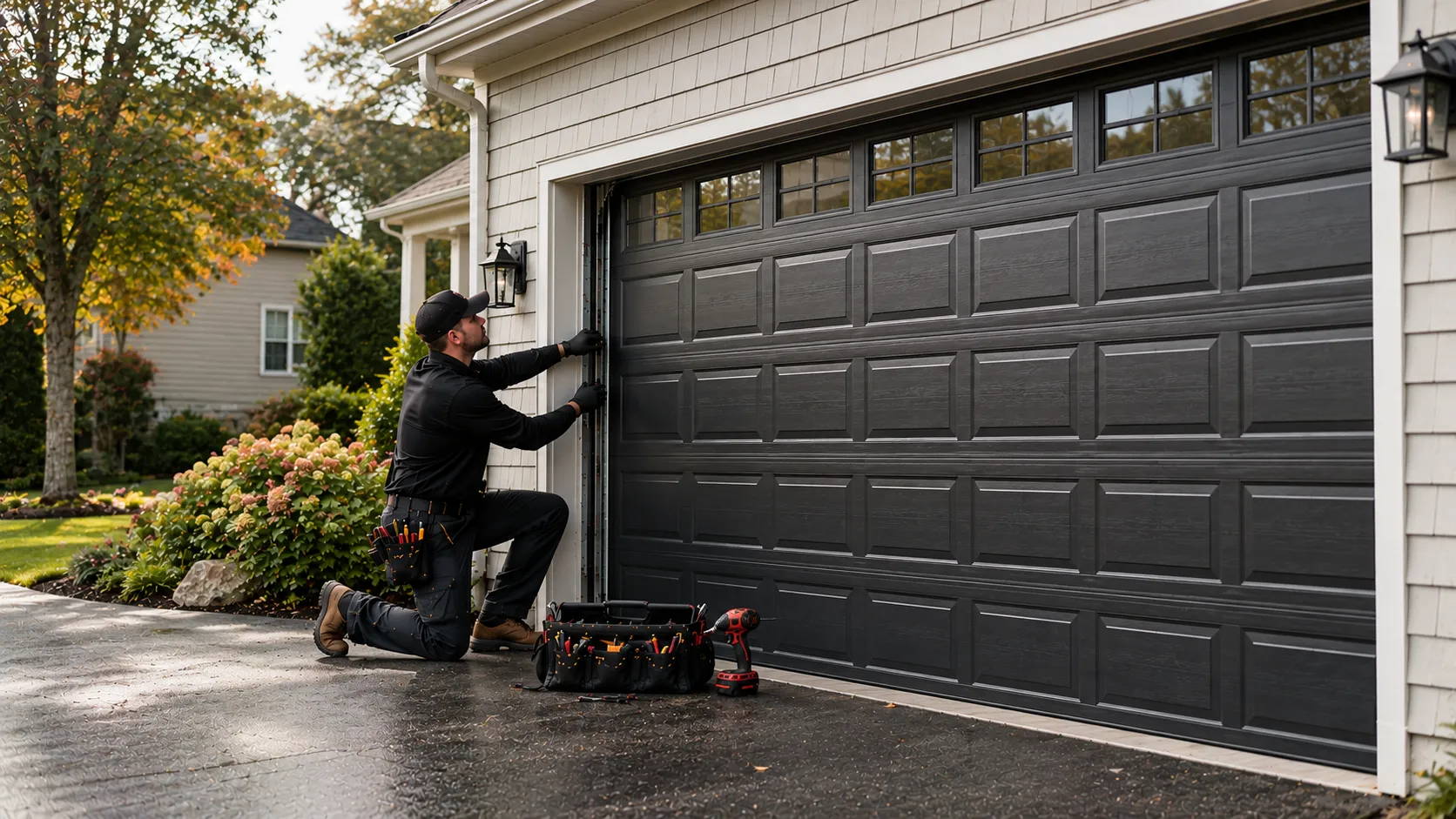
We get calls from Rosemont for the same handful of problems, and most of them trace back to what's actually installed on the house, not some universal garage door complaint. Torsion springs that have done twenty-plus years of lifting a steel door finally give out, usually on a cold morning when the metal has stiffened up. Openers from the chain-drive era start grinding or stop responding to the remote. Rollers wear down and start a knocking sound on the way up. None of that is exotic. It's what happens to hardware that's been doing daily work since the Johnson or Nixon administration, depending on when the house went up. We come out from Morton Grove, about 6 miles away, and look at the door as it actually sits, not as a generic model number. That means checking the track alignment, the spring size, and whether the opener is original equipment before we quote anything.
What That Means for Doors
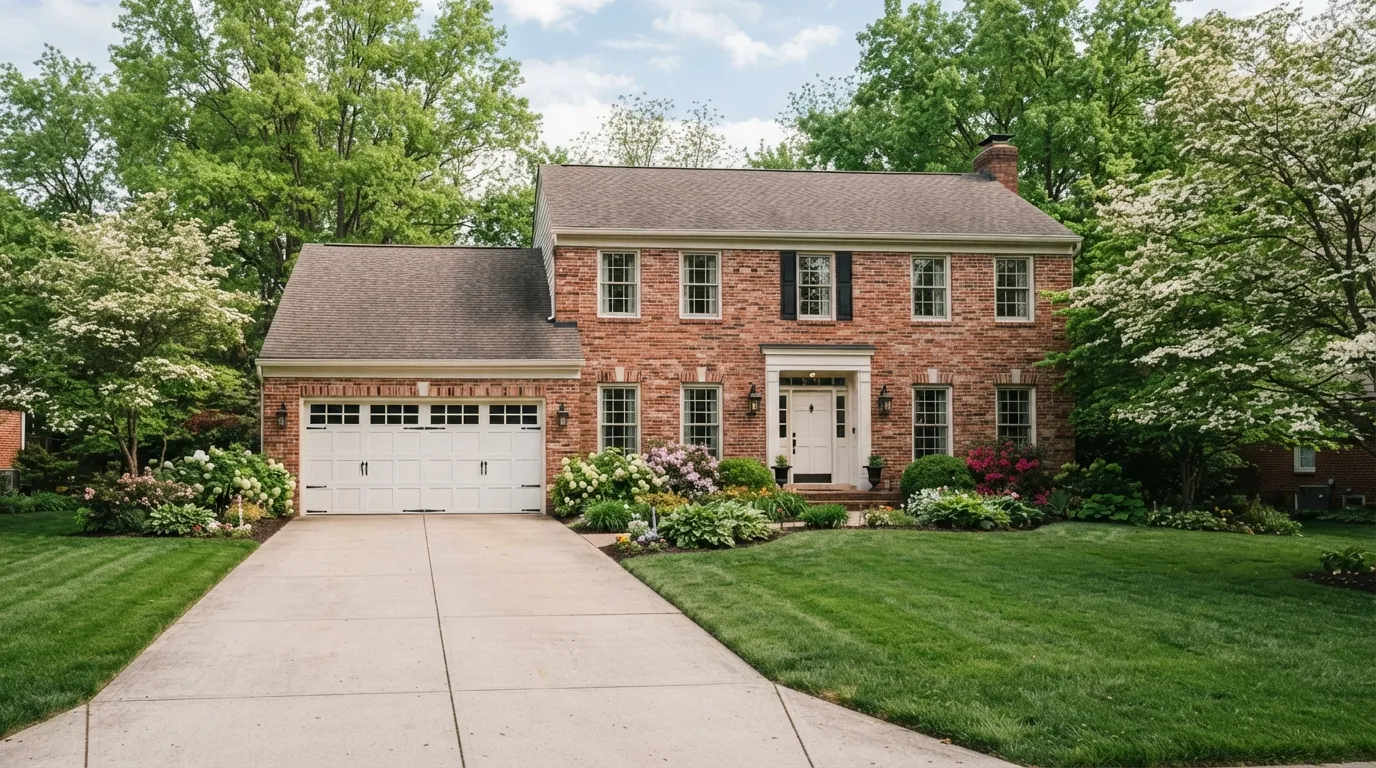
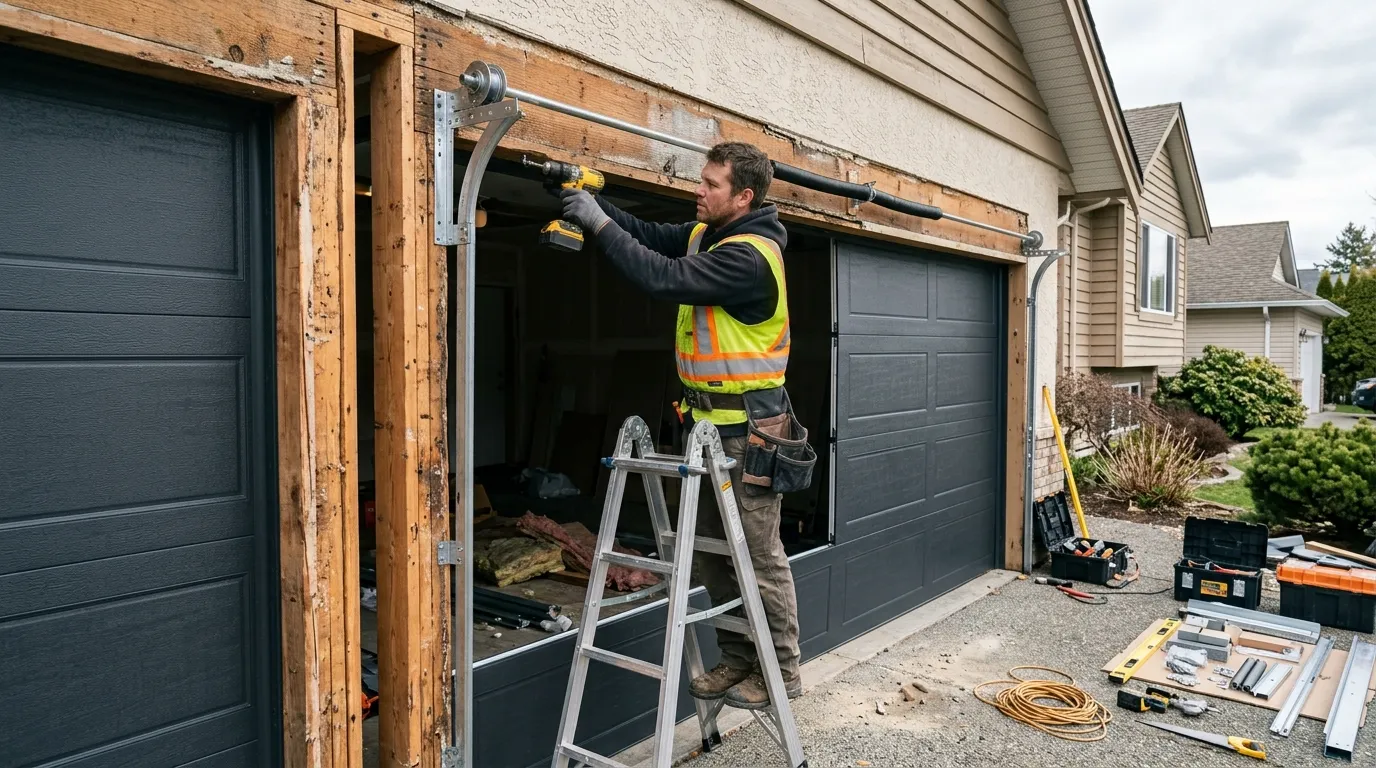
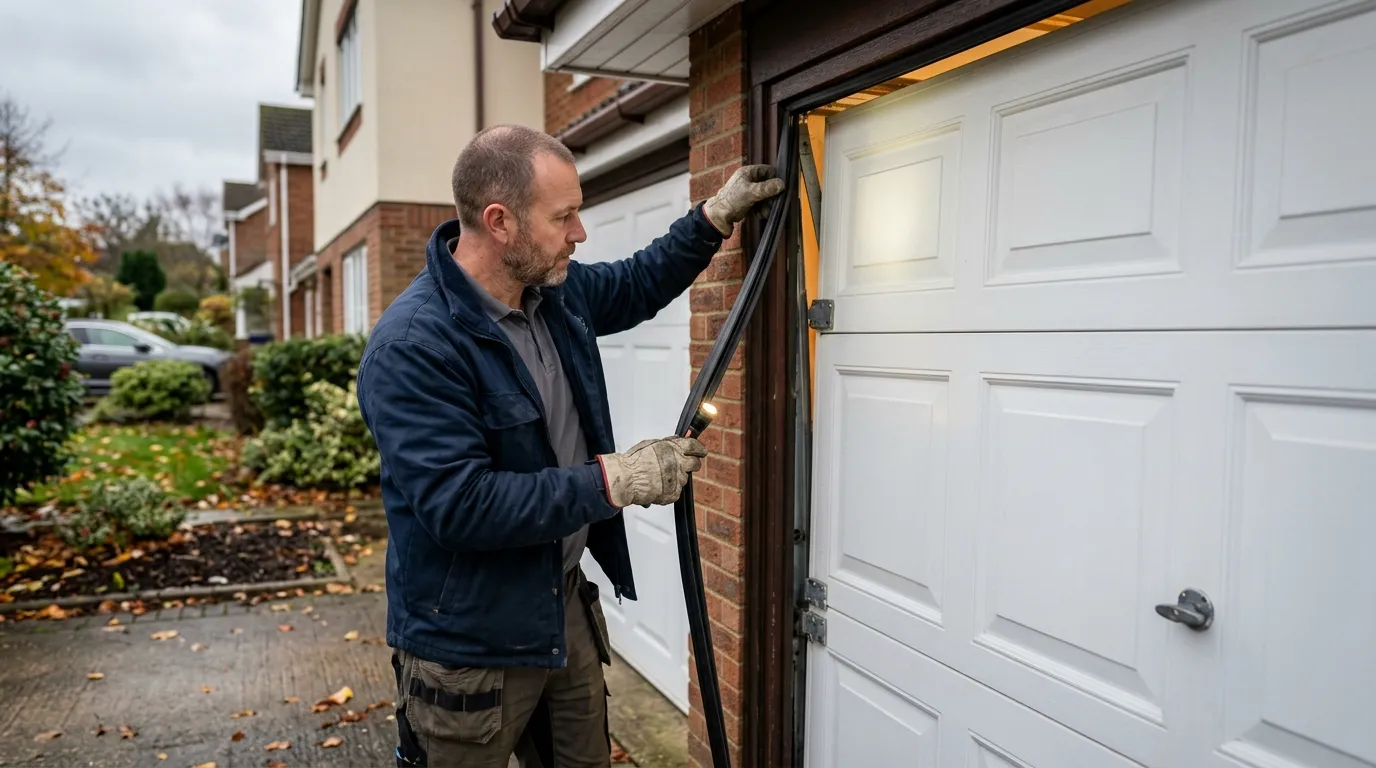
A door installed around 1968 was very likely a raised-panel steel or wood-composite unit on a standard torsion or extension spring setup, sized for a garage opening that predates modern insulation codes. Openers added later are often a second or third replacement themselves, since the originals of that era were manual doors that got motorized afterward, sometimes with hardware that doesn't match what a new opener expects. In a cold-moderate climate band, steel doors from this period without a thermal break let a lot of outside air through the seams, and the felt or vinyl weatherstripping on doors that old is usually cracked or missing outright. We see brackets mounted for a spring size that's since been swapped out, and track that's been re-bent instead of replaced. None of this is a fault of the house - it's just what forty-plus years of one door does.
Where We Stop
We don't stock every obsolete spring or drum size on the truck, and a door frame that's rotted out from water damage isn't something we patch and call fixed - at that point you're looking at a new jamb and possibly a new door, not a repair. We also won't recommend replacing a working door and opener just because they're original; if the spring balance is right and the opener still runs safely, we'll say so instead of upselling a new unit. Same goes for cosmetic dents that don't affect function. We're honest that some parts for late-1960s installations take longer to source than current stock hardware, and we'll tell you that up front rather than promise a same-day fix we can't back.