The Usual Work Here
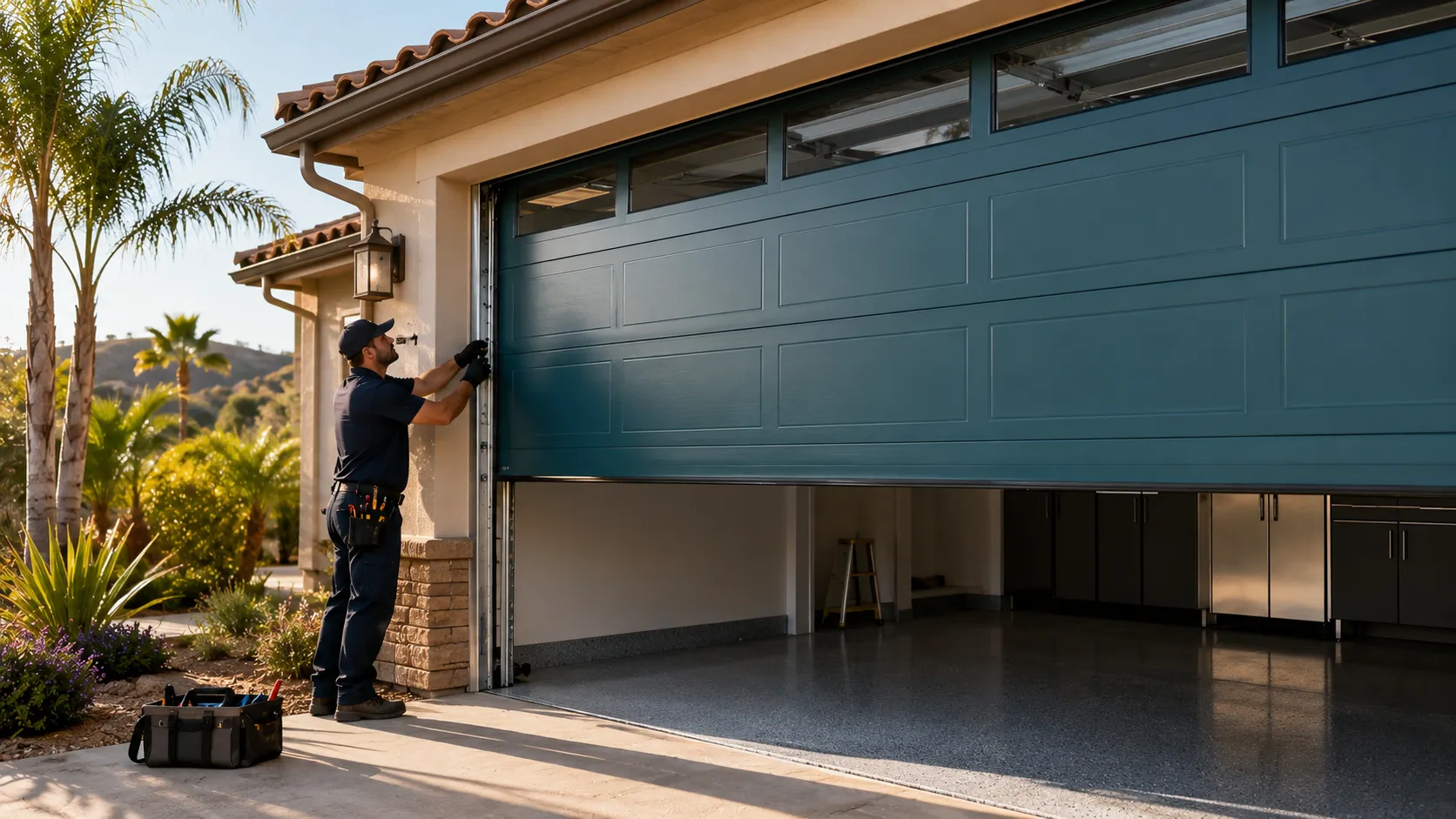
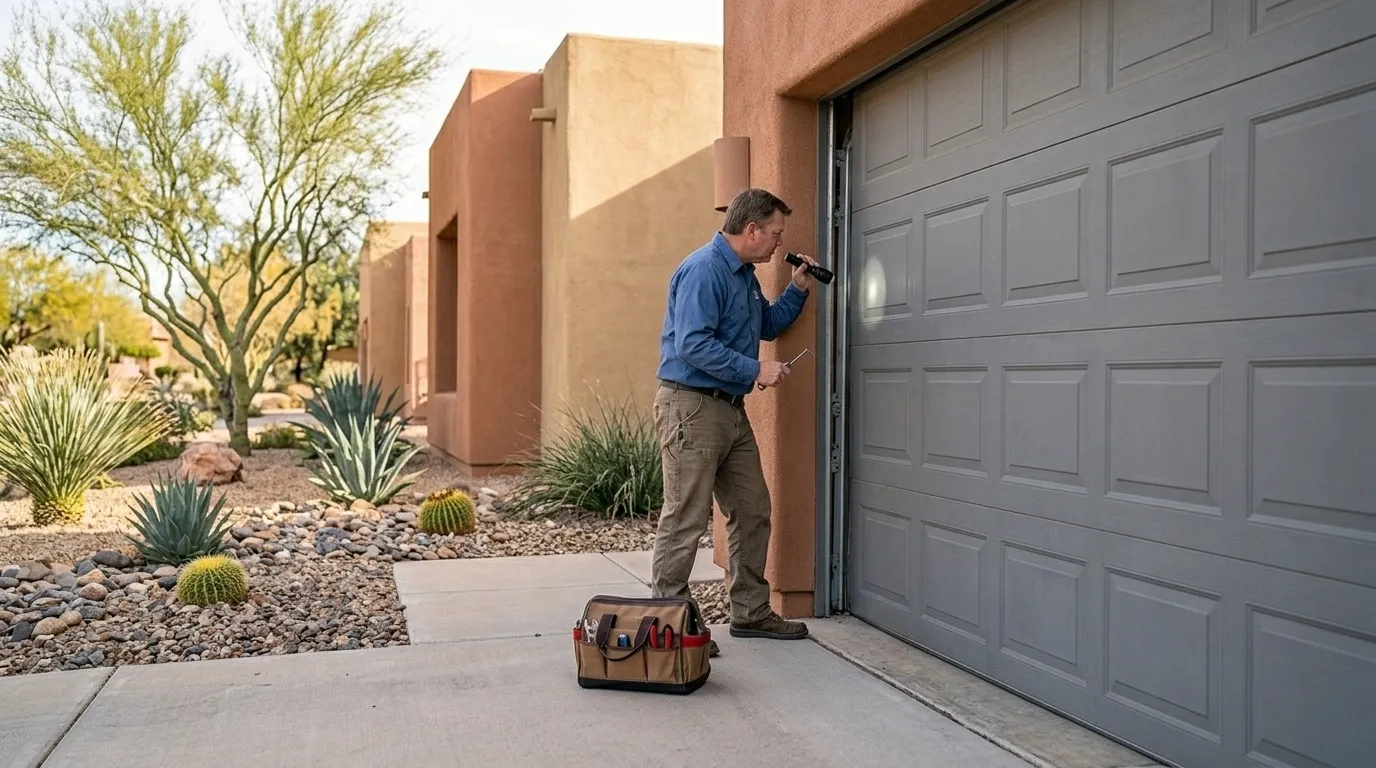
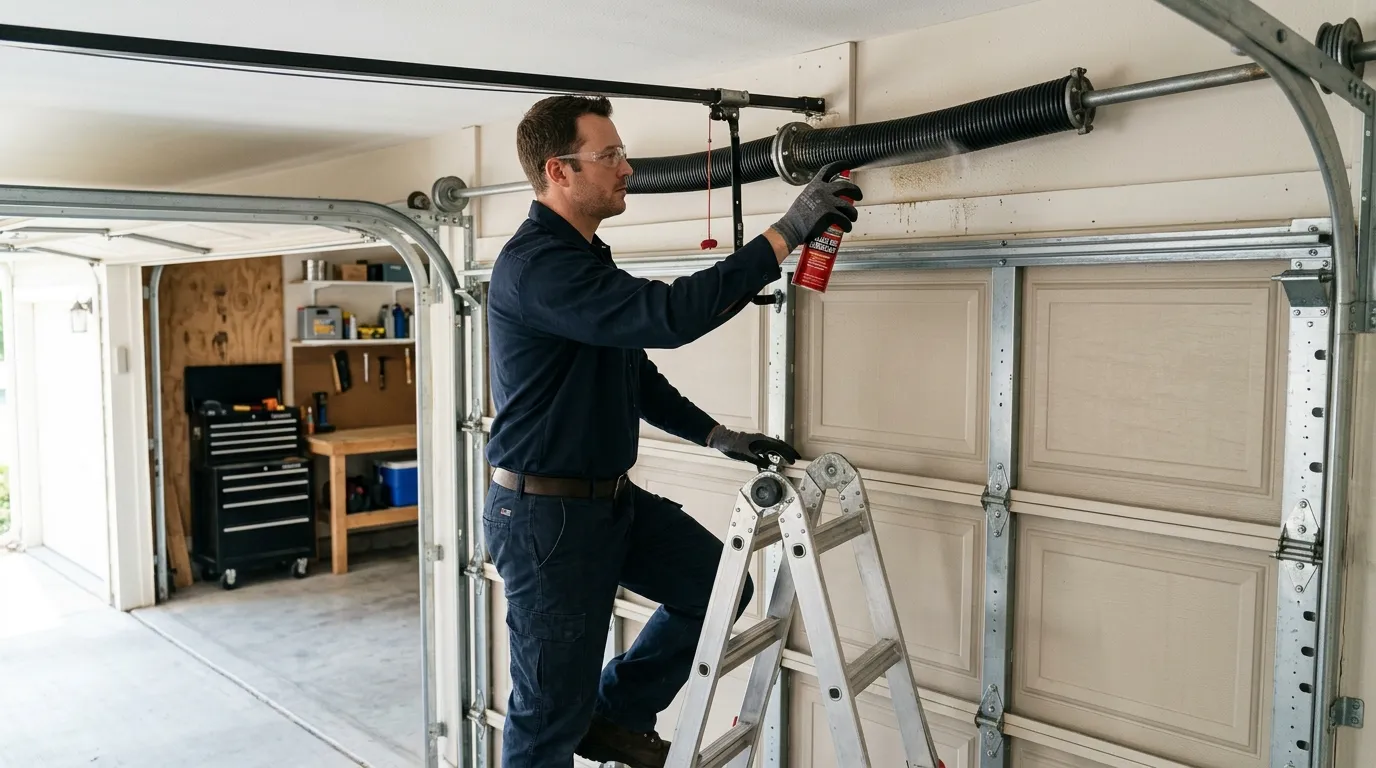
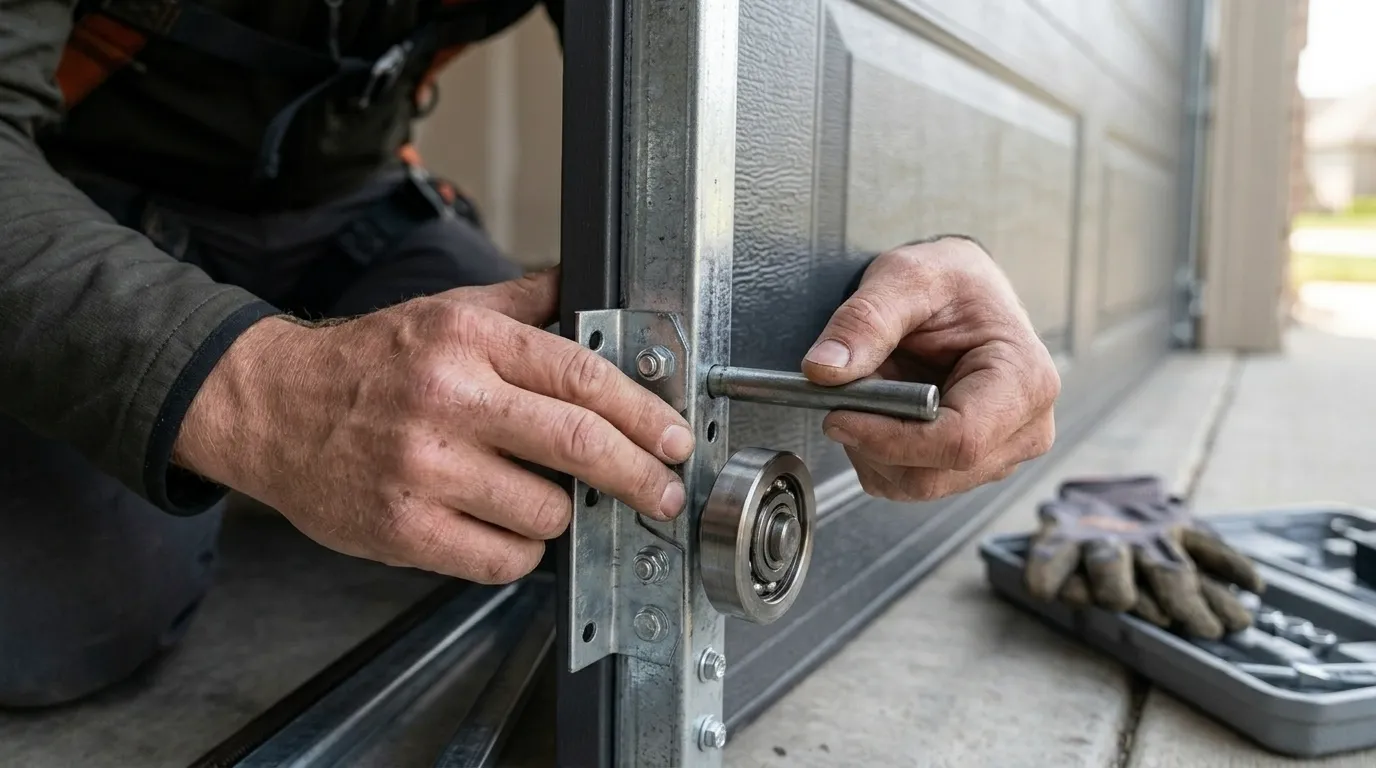
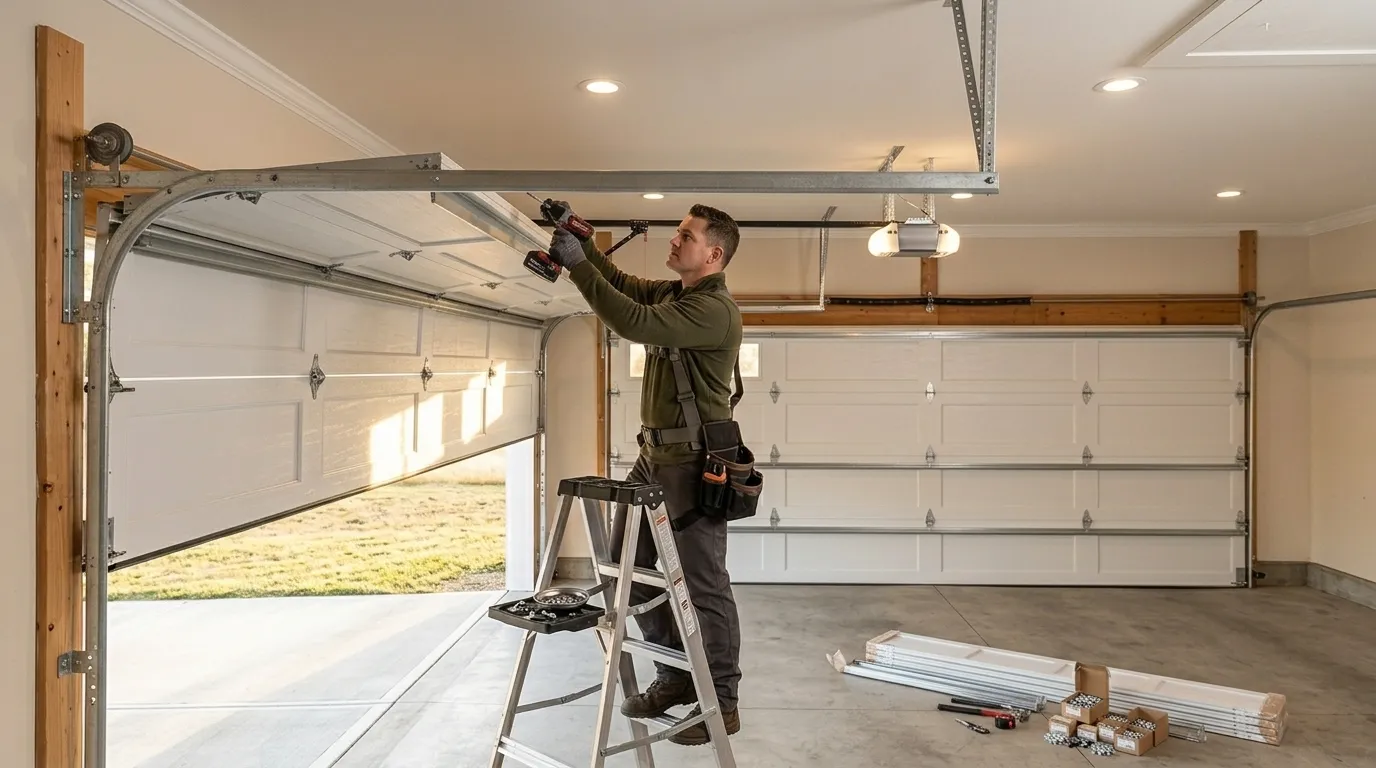
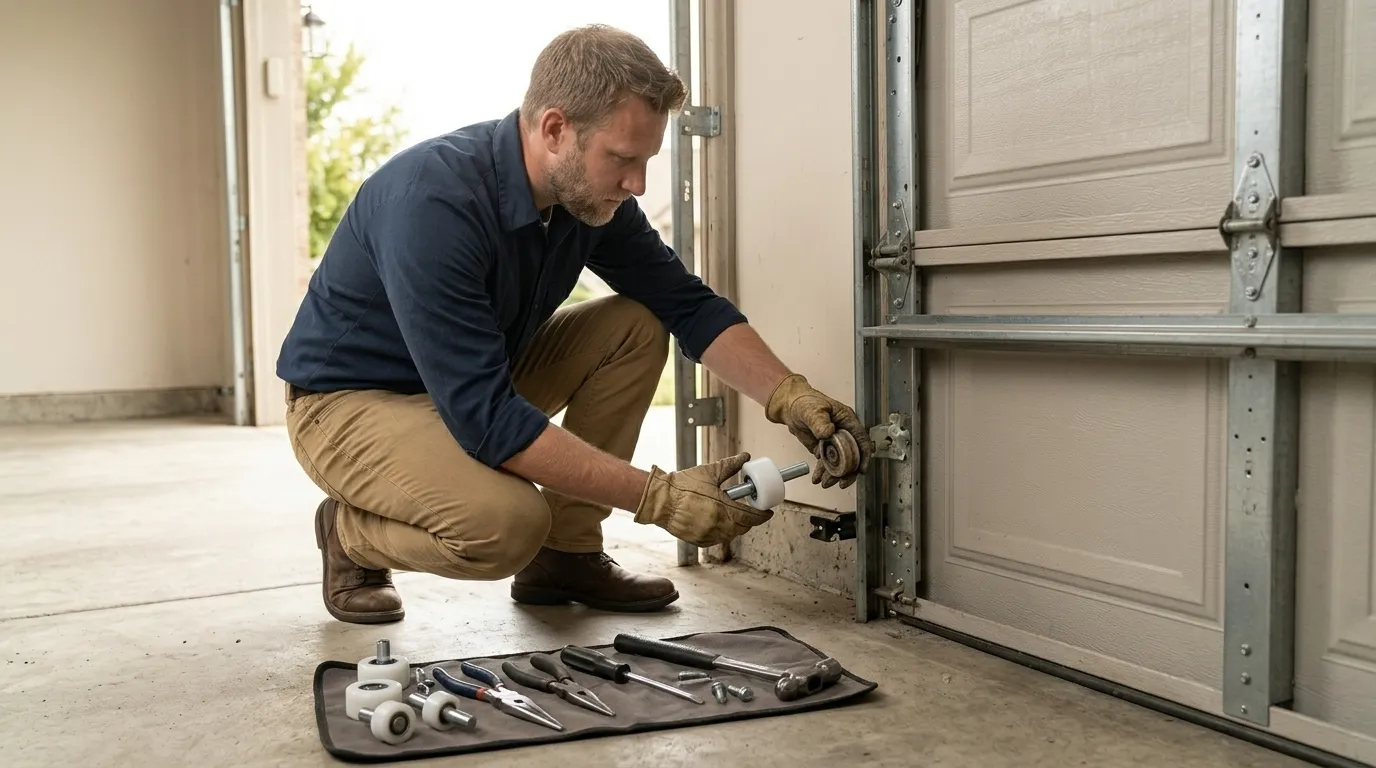
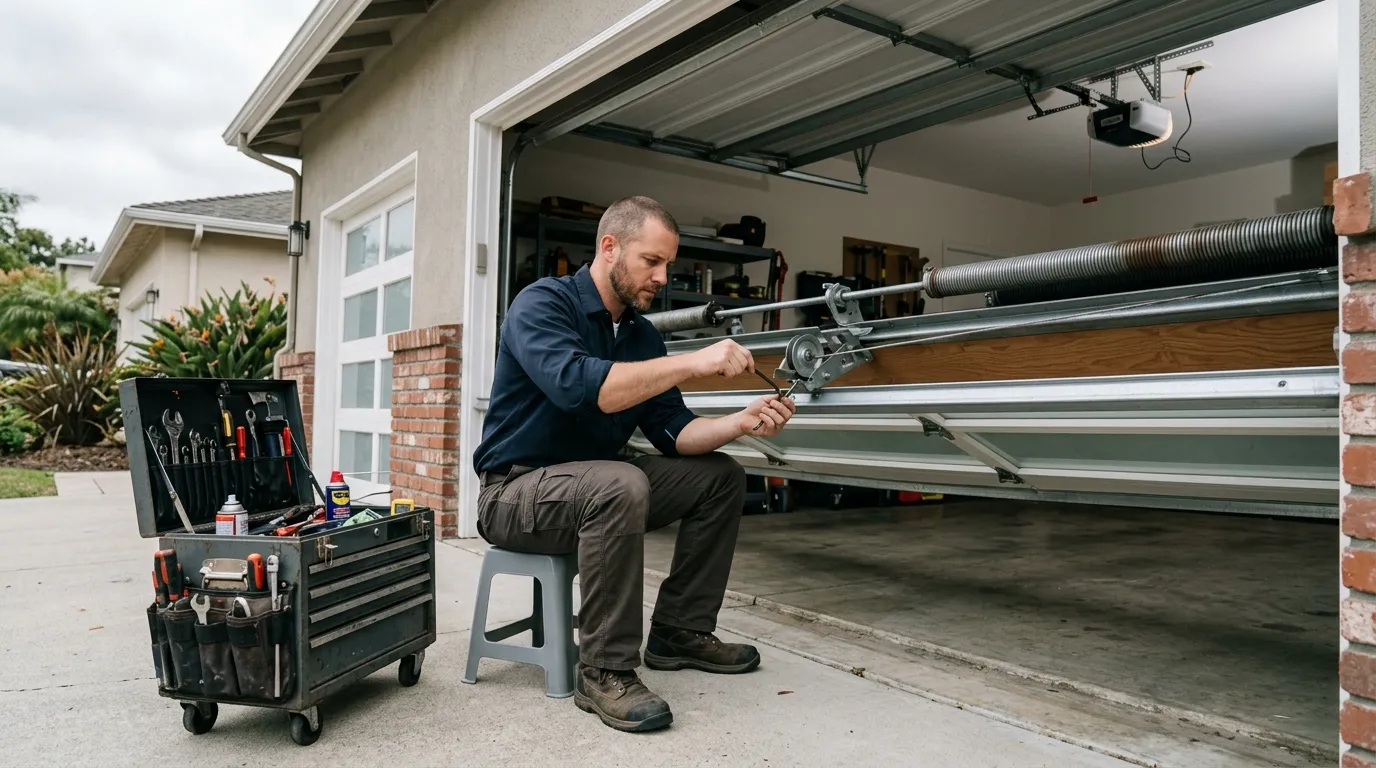
Schiller Park sits about 7 miles from our shop in Morton Grove, and most of the calls we get from this side of town trace back to the same source: hardware that's been running since the house was built. With a median year built around 1963, a lot of these garages still carry their original torsion springs and steel track, just worn down by six decades of Chicago winters. We see broken springs, opener gears stripped from years of grinding against a misaligned track, and rollers that have flattened on one side. It's not exotic work, but it's specific to houses this age. A door built in 1998 fails differently than one built in 1963, and Schiller Park is mostly the latter.
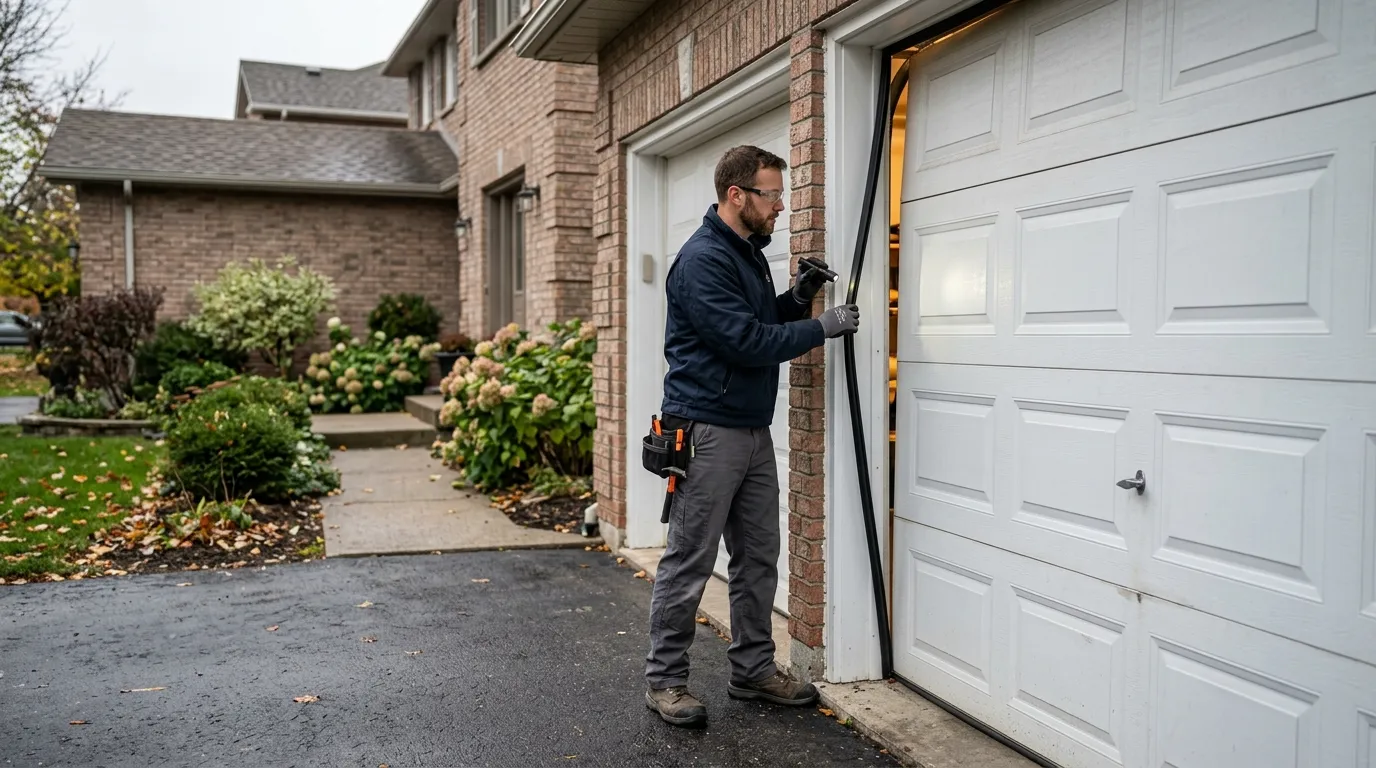
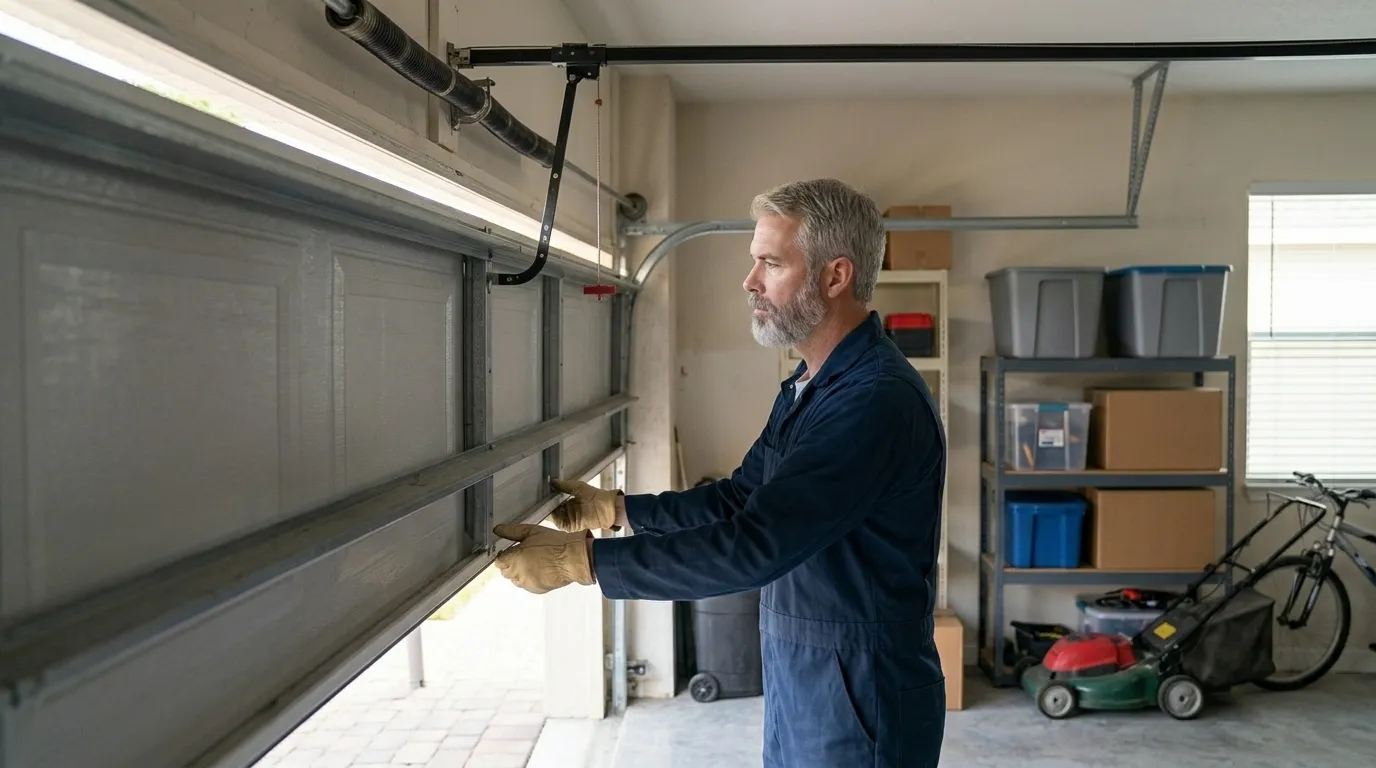
We also get calls on cables that have frayed at the drum, and on panels that have started to sag at the bottom where moisture collects against the slab. None of this is unusual for the era, but it means the fix usually isn't a five-minute adjustment. It's parts that match hardware nobody has manufactured in decades, or a decision about whether to keep patching an old system or replace it.
What That Means for Doors
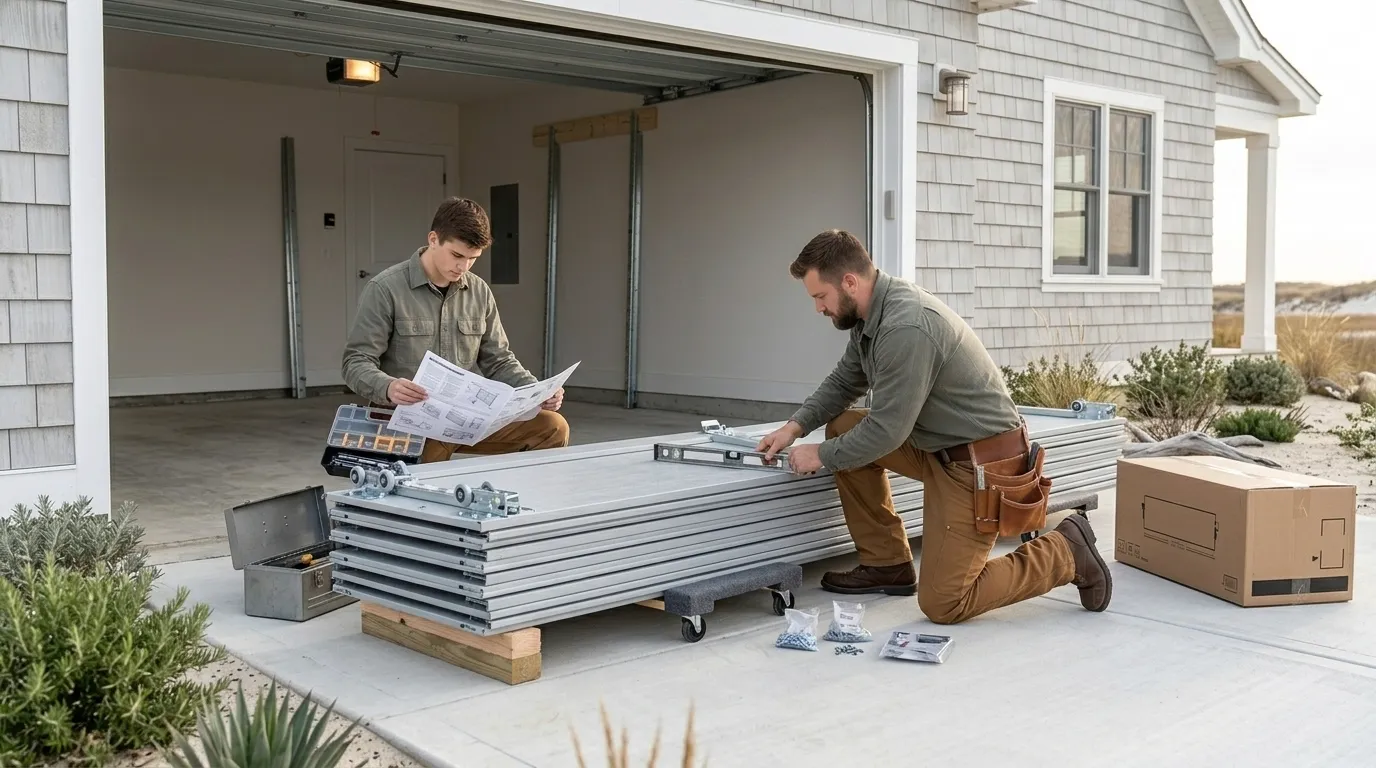
Because so much of Schiller Park went up in the early 1960s, we run into a specific mismatch a lot: steel doors from a later renovation hung on the original torsion hardware, which was never rated for the extra weight. The opener strains, the spring wears out faster than it should, and the owner assumes the opener is broken when the real problem is the spring underneath it doing more work than it was built for.
Winters here are cold enough that steel contracts and expands enough to matter - track brackets loosen, and lubricant that was fine in August turns thick and sluggish by January. On a door already carrying mismatched hardware, that's often the tipping point that turns a minor rattle into a spring that snaps on a cold morning. We size springs to the actual door weight, not just to what was there before, which usually means replacing more of the hardware than a quick patch job would.
Where We Stop
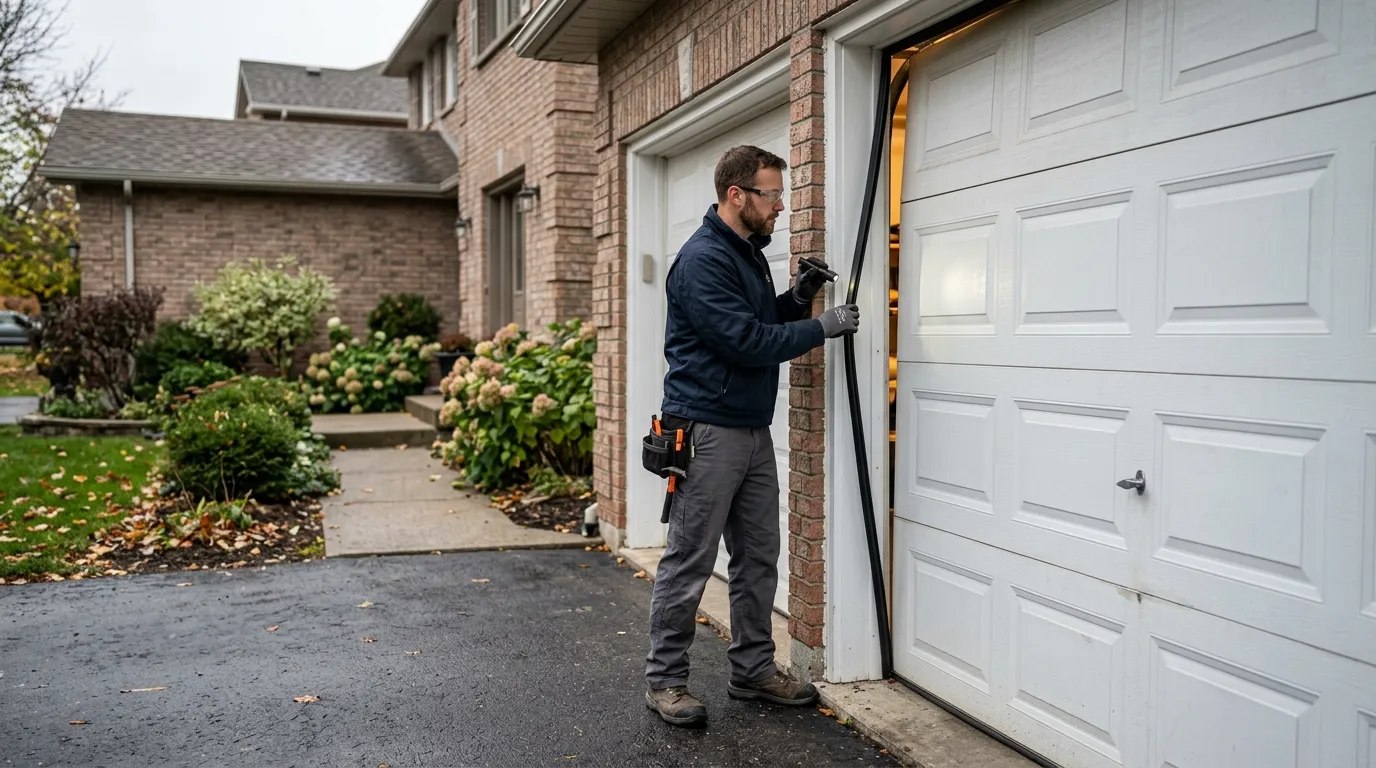
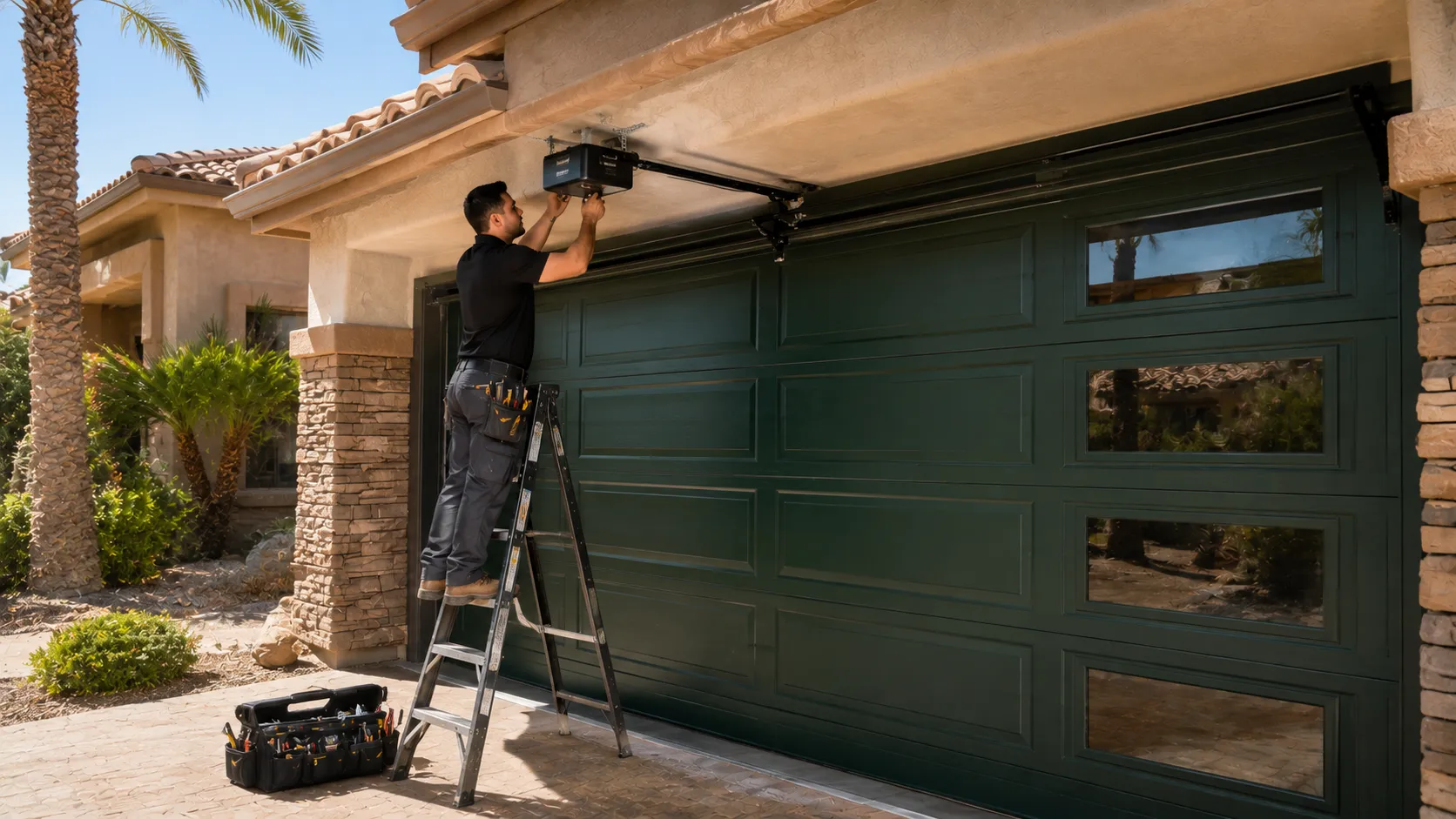
We travel to Schiller Park from Morton Grove for scheduled jobs, but we don't keep a location here, so this isn't same-day walk-in service - it's a truck coming out to do the work. If a door is beyond repair, meaning the frame itself has racked or the track is bent past straightening, we'll say so rather than keep billing for adjustments that won't hold. Replacement makes more sense than a fourth spring swap on a door that's fighting its own frame.
We also won't guess at a fix over the phone for anything structural. Springs, cables, openers, rollers, tracks - that's the work we do well and consistently on houses of this era. What we won't do is quote a job sight unseen when the housing stock here is old enough that every garage has its own history of past repairs stacked on top of each other.