The Usual Work Here
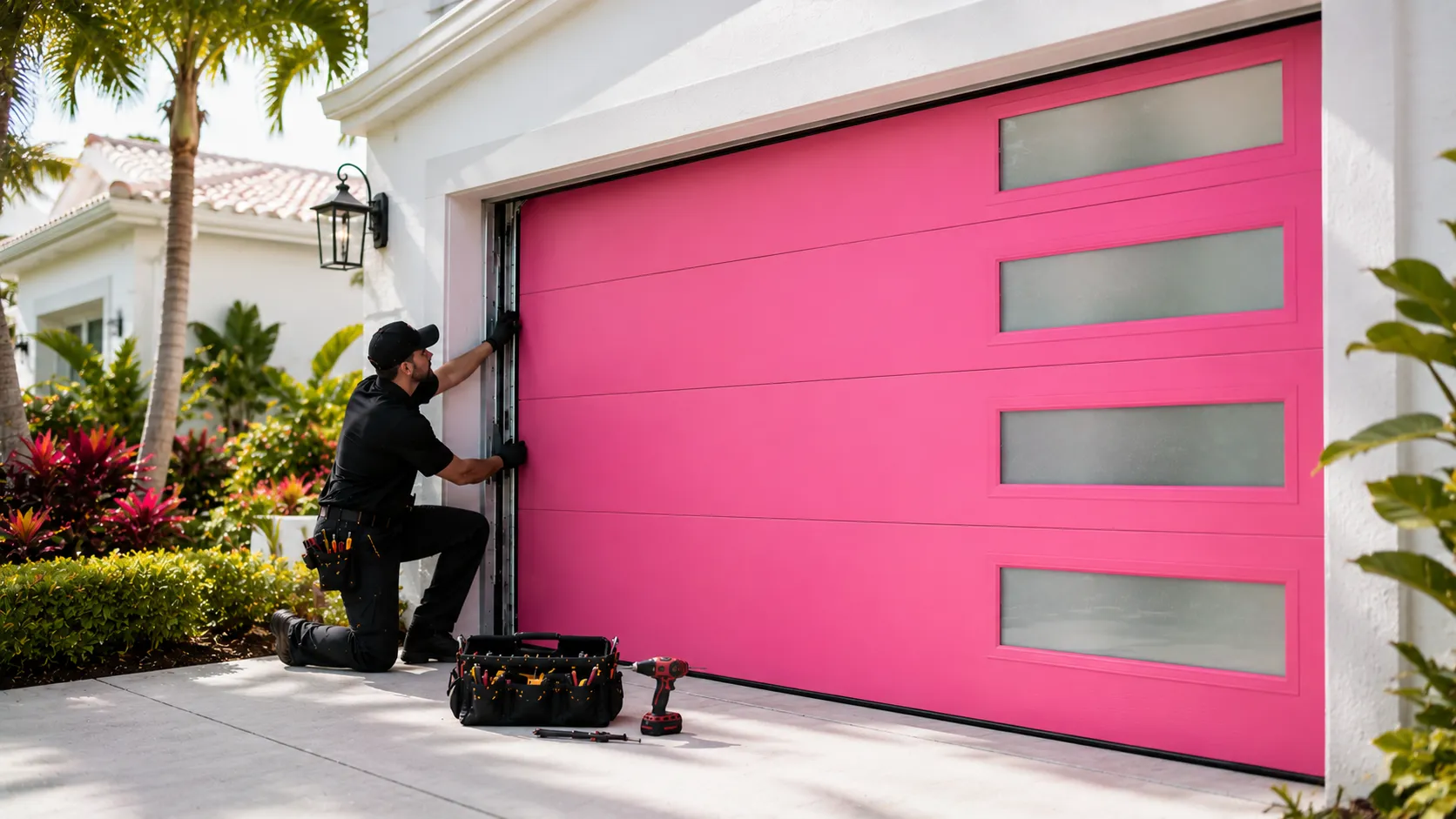
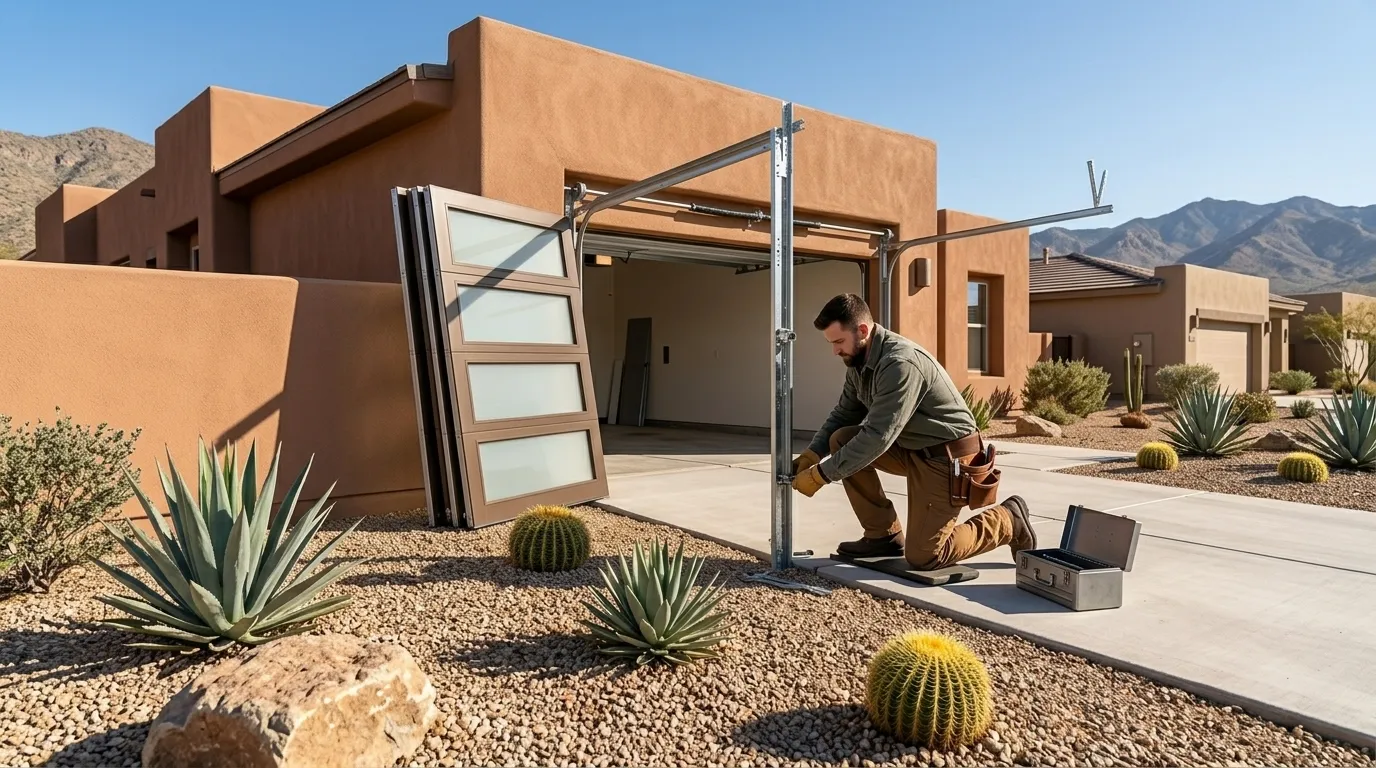
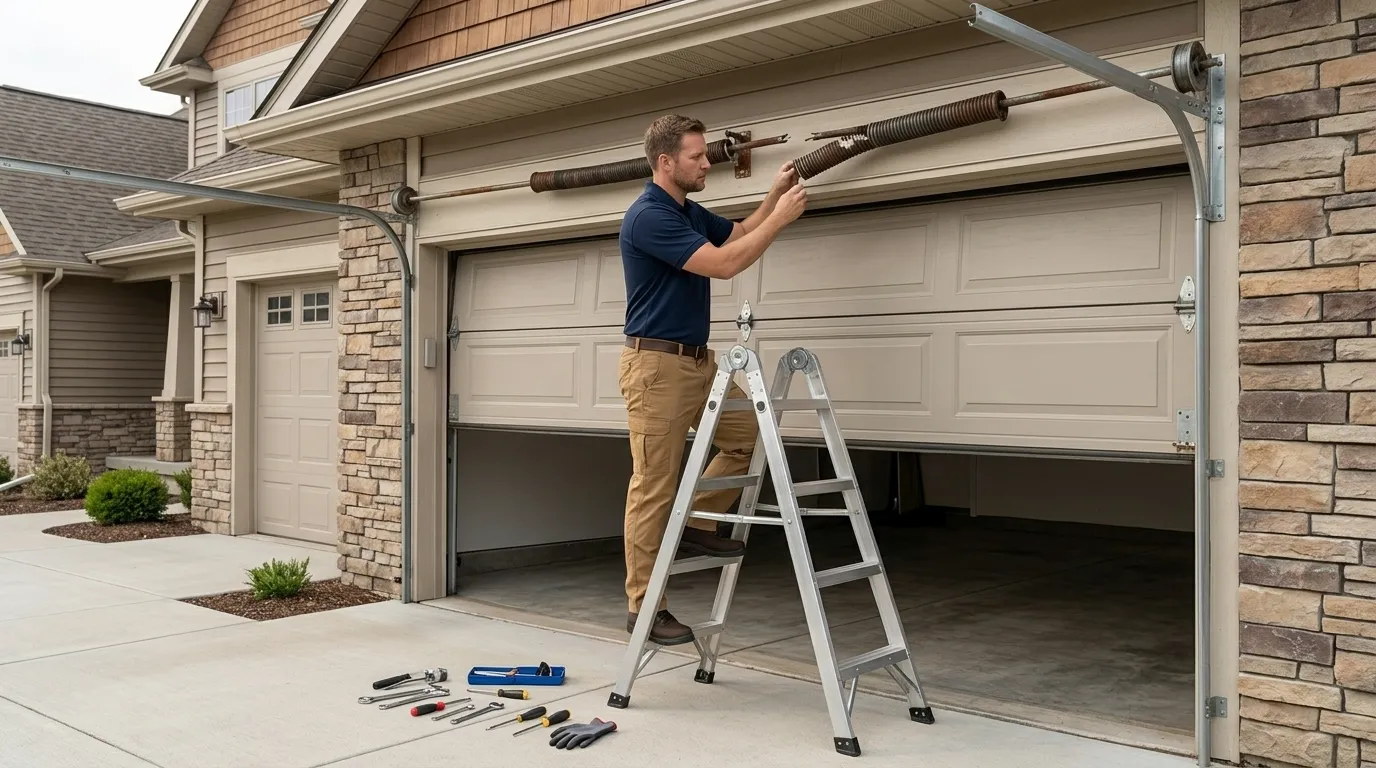
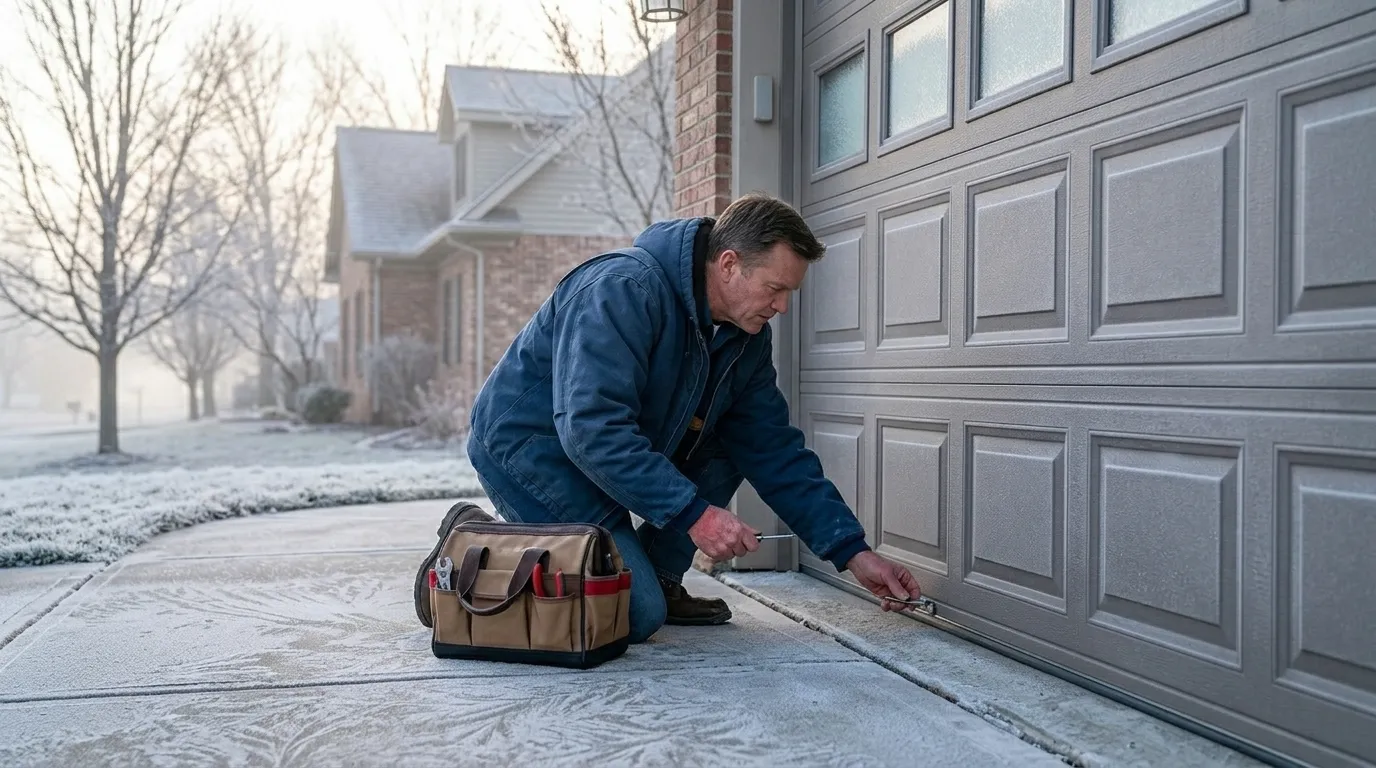
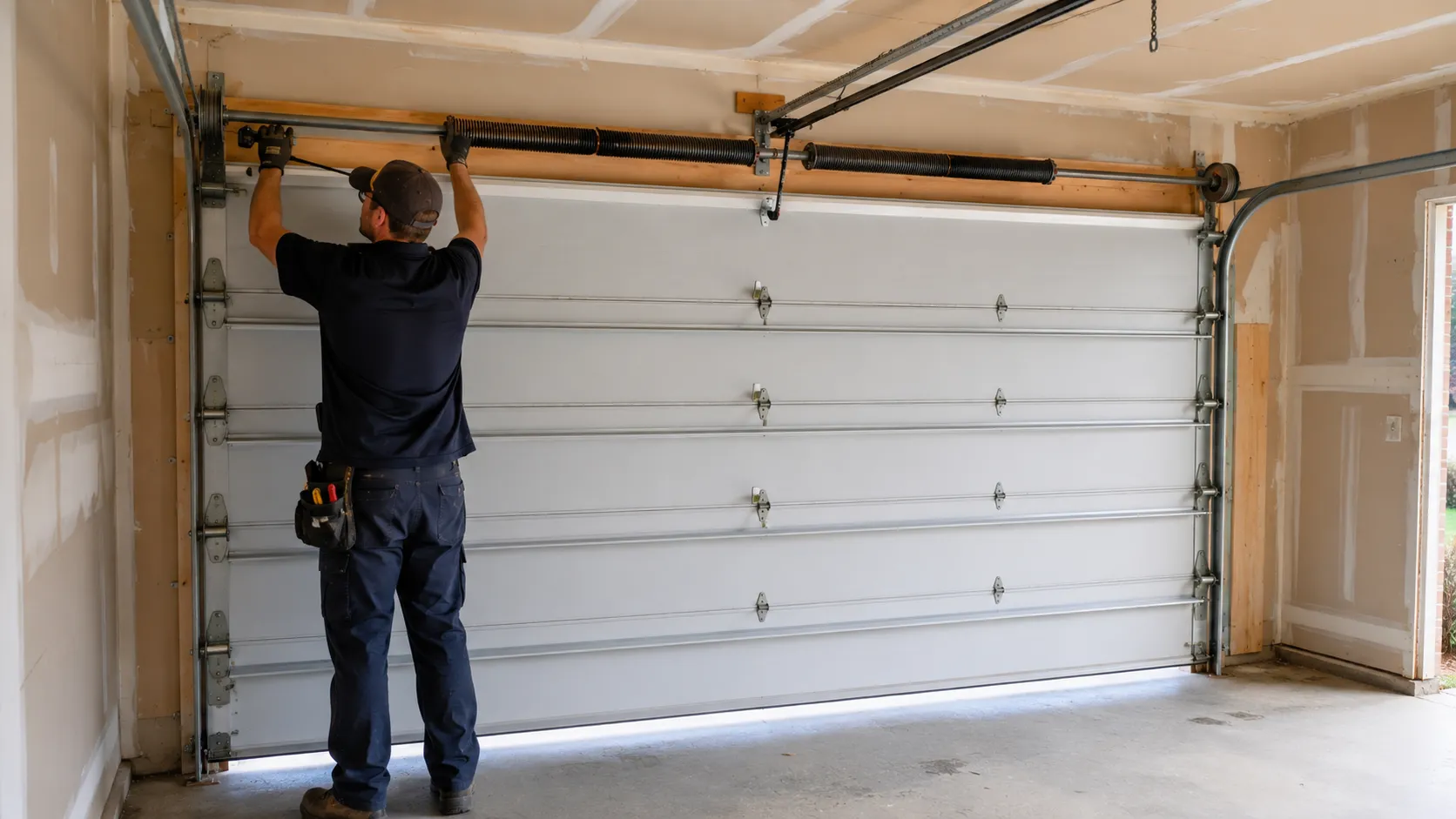
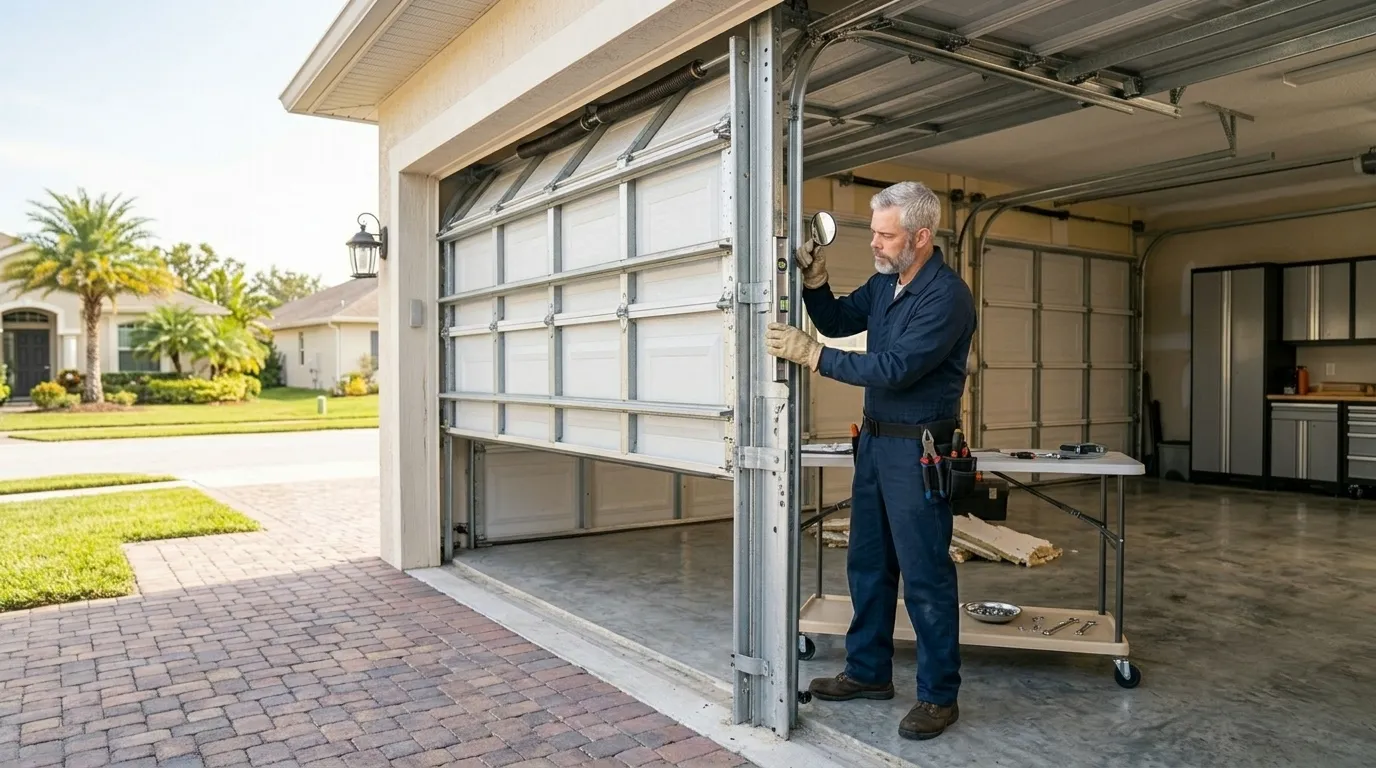
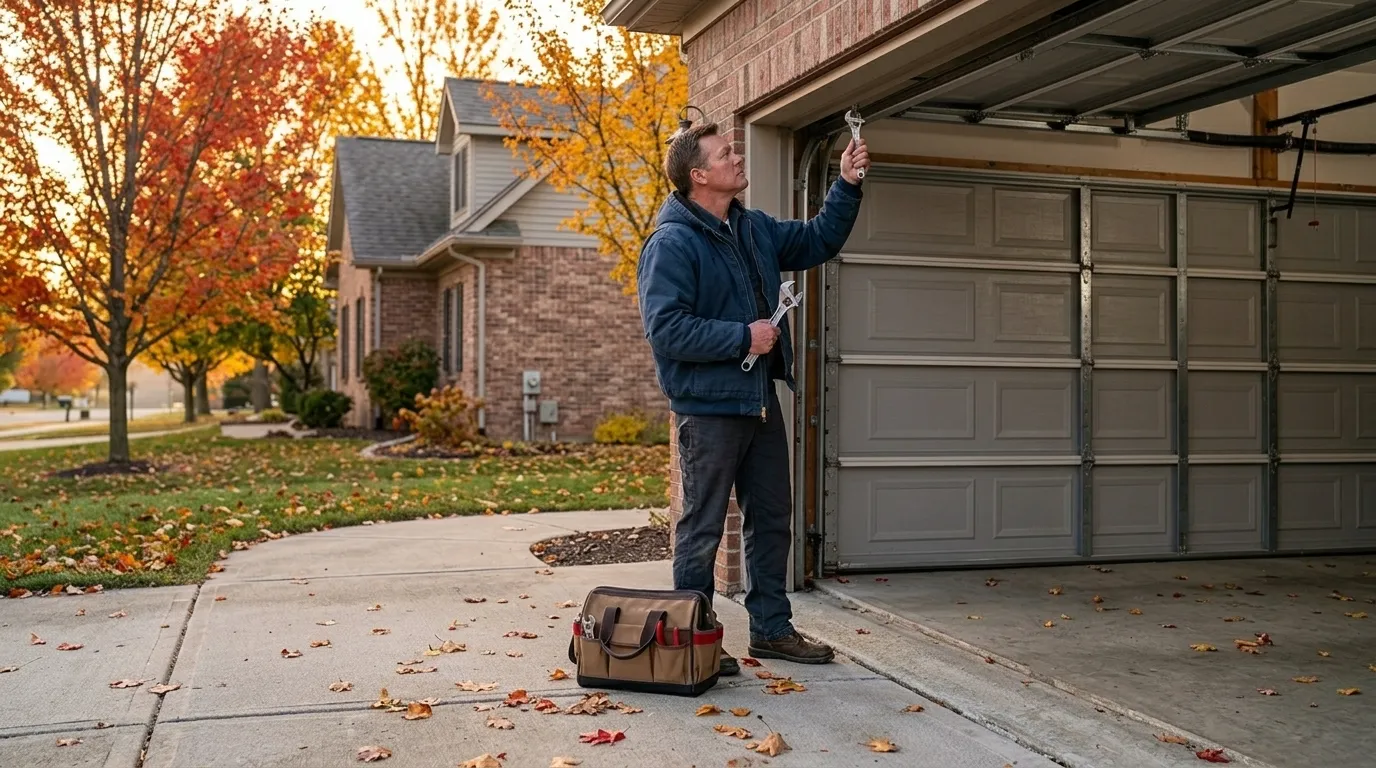
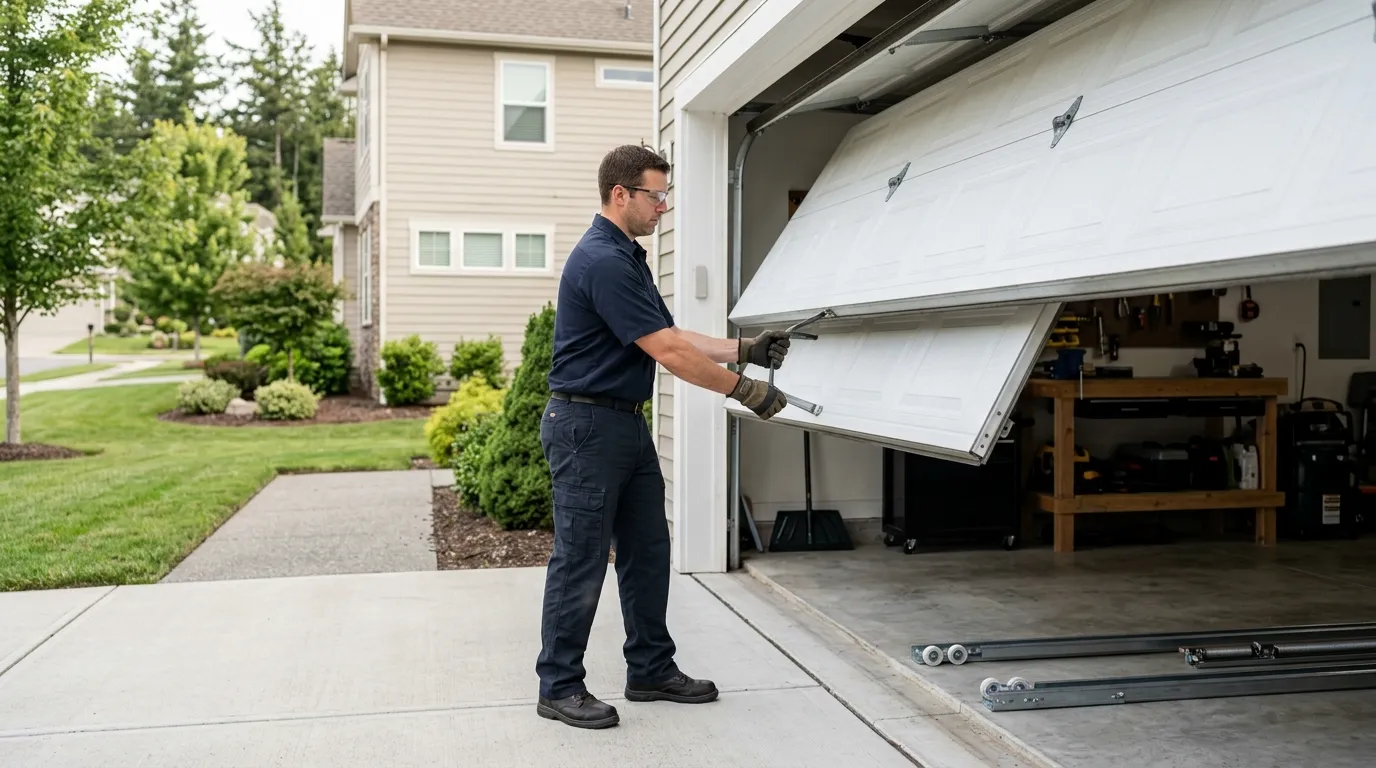
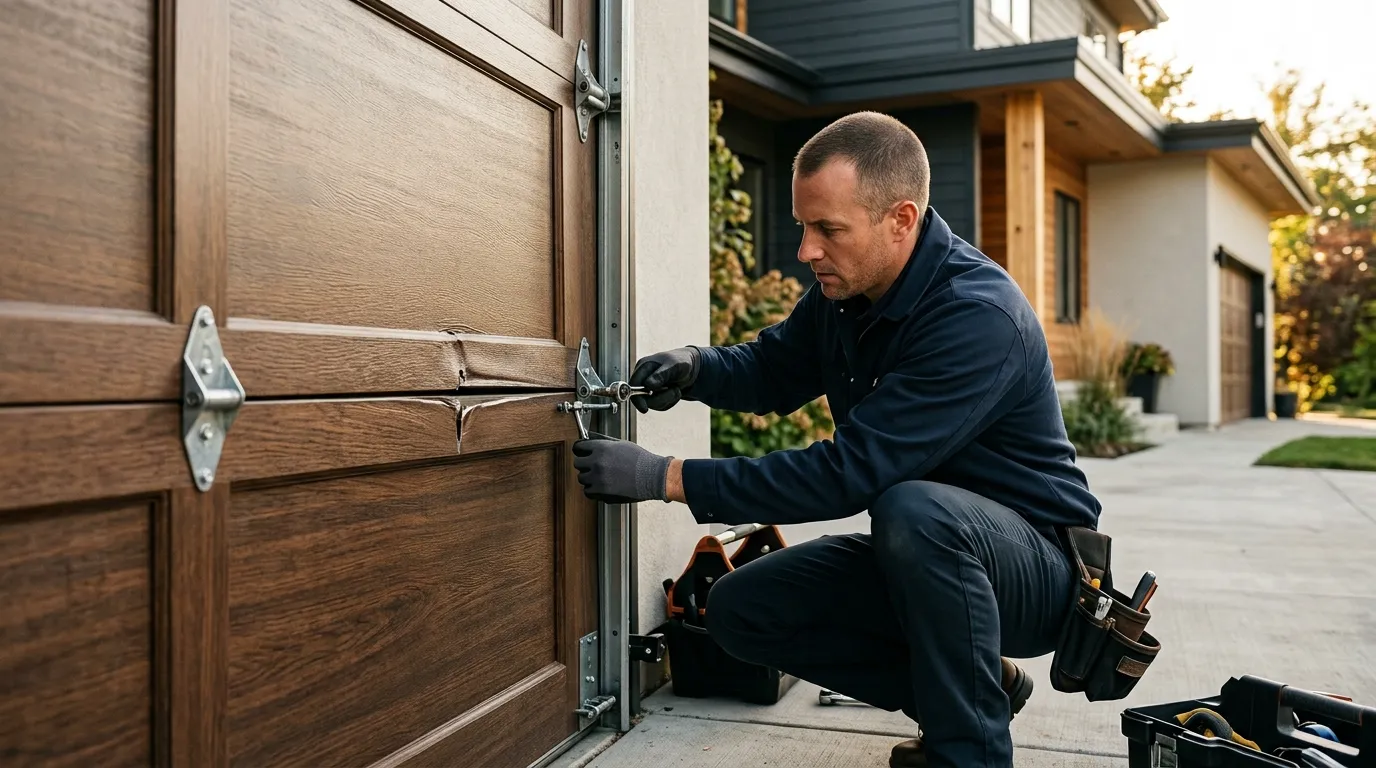
Most of the calls we get from South Barrington aren't about rot or rust the way they can be in older parts of our coverage area. The houses here are newer, so the failures are newer too: a torsion spring that's finally worn out after three decades of daily cycles, a keypad or opener logic board from the original build starting to drop signal, or a roller track that's gone slightly out of true from years of normal use rather than decades of weather damage. We also see a fair number of insulated steel sectional doors here, which is what builders were putting in through the 1990s, and those doors have their own opener weight requirements and spring tension specs that differ from the older wood and single-layer steel doors common elsewhere in our territory. We travel 19 miles from our shop in Morton Grove to get here, so when we come out we try to diagnose the actual part and bring what the job needs rather than guessing. A same-day fix on a broken spring is common. A same-day fix on a part that has to be special-ordered for a less common opener model is not something we can promise from that distance.
What That Means for Doors
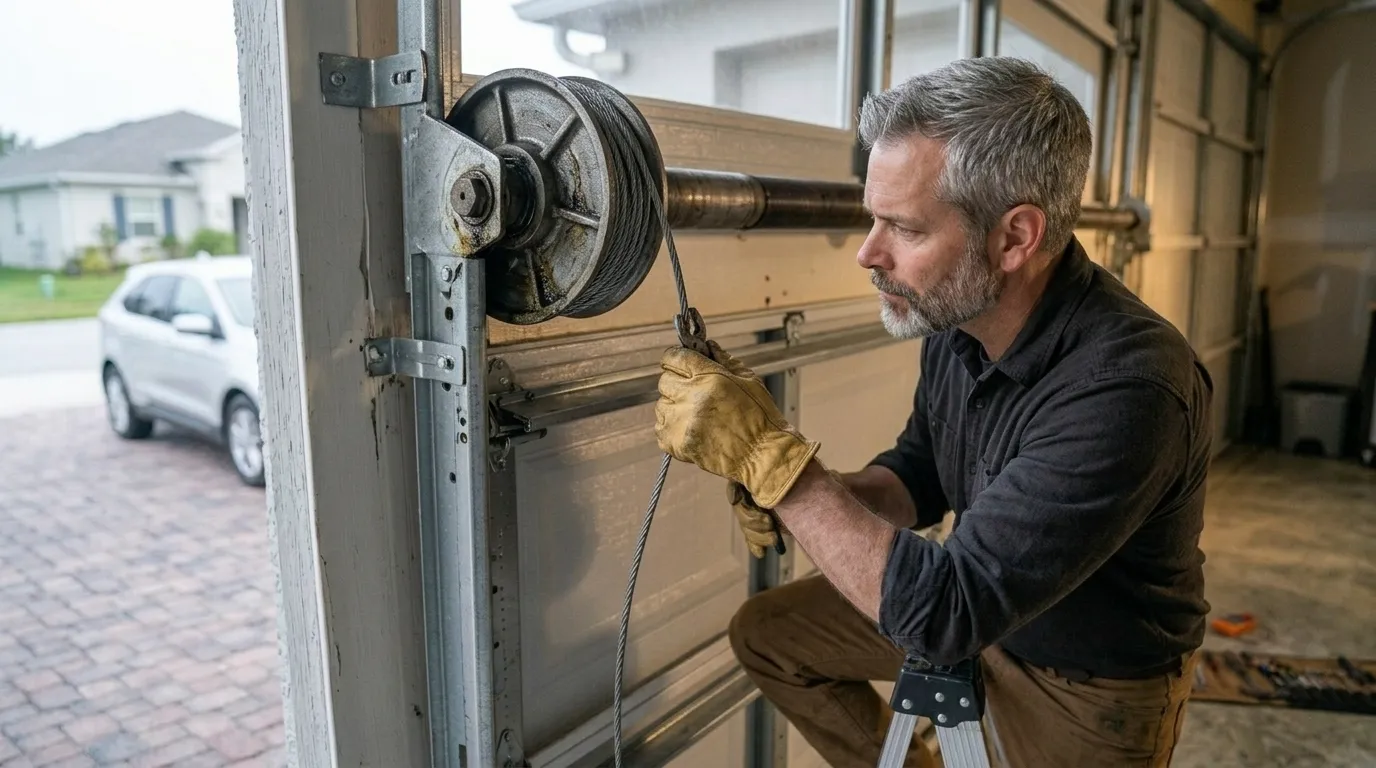
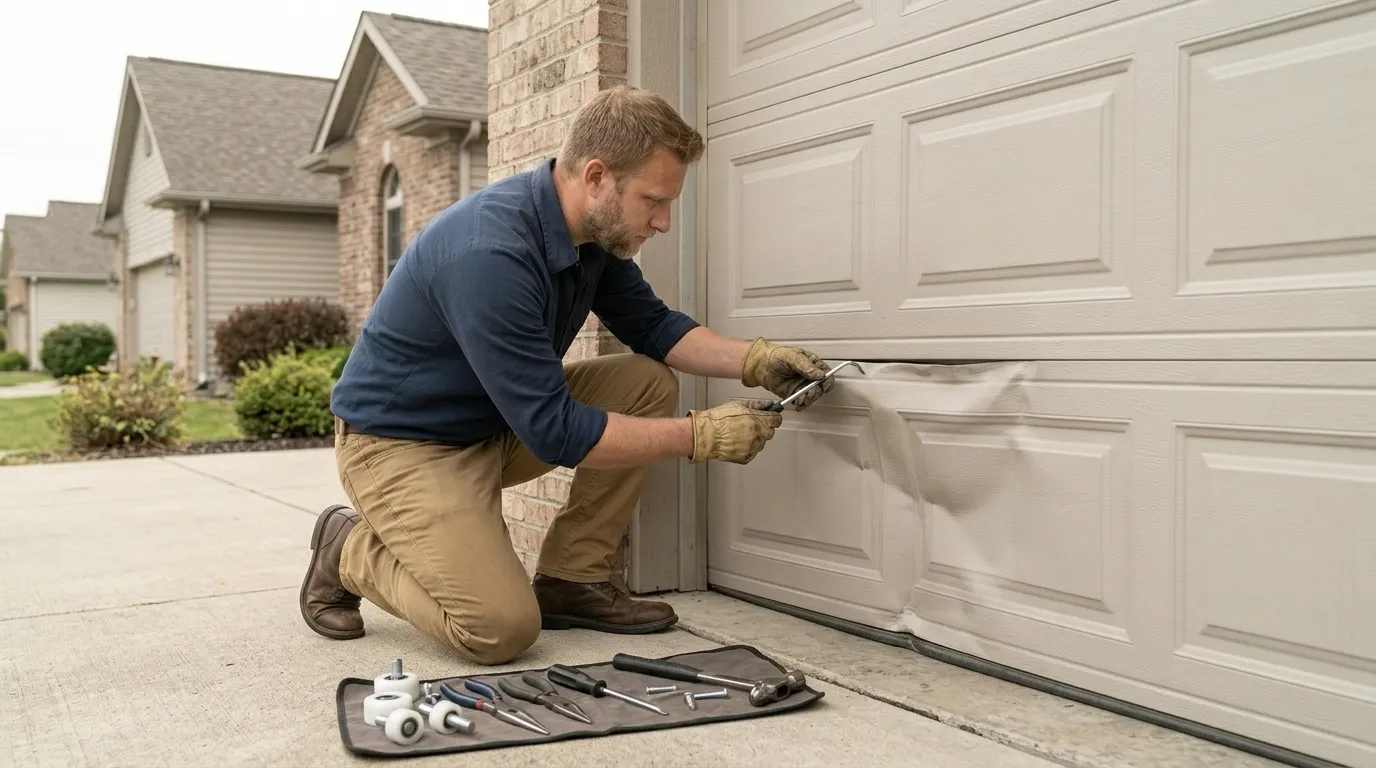
A door built in 1994 is now old enough that its original torsion spring is near or past the end of a normal service life, even though the door itself doesn't look old. That's the repair we see most in this area: a spring that finally lets go, sometimes taking a cable with it, on a door that otherwise still looks and operates like new. Openers from that era are also starting to show their age - not the door hardware, but the motor unit and the logic board, especially on models that were never upgraded to rolling-code remotes. Panels and tracks hold up well on these newer builds since our winters here fall in the same cold, moderate climate band as the rest of the region, and 1990s steel doors were built with that in mind. What we don't see much of here is the rot, warped wood jambs, or fully rusted-through track sections that come up on 1960s-era houses elsewhere in our coverage area - that's simply not the failure pattern for a door this age.
Where We Stop
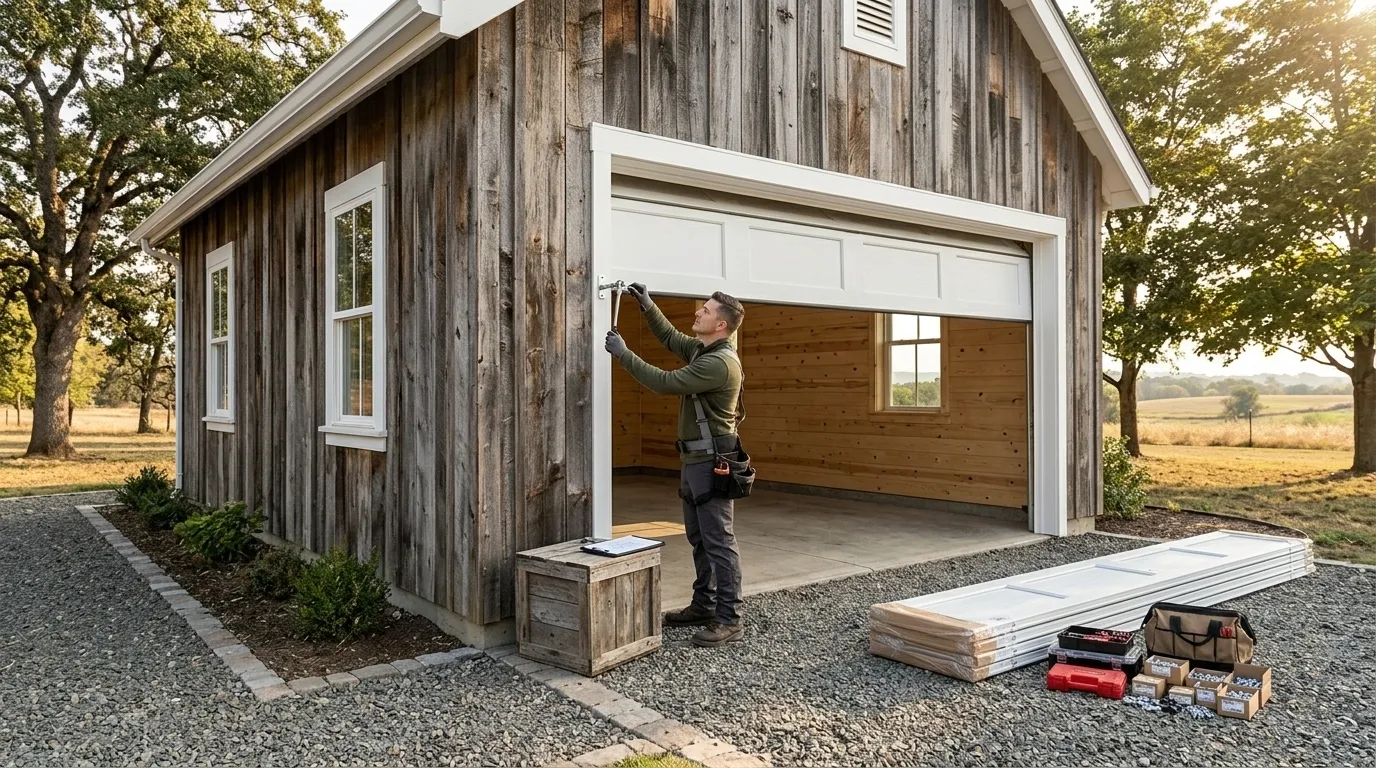
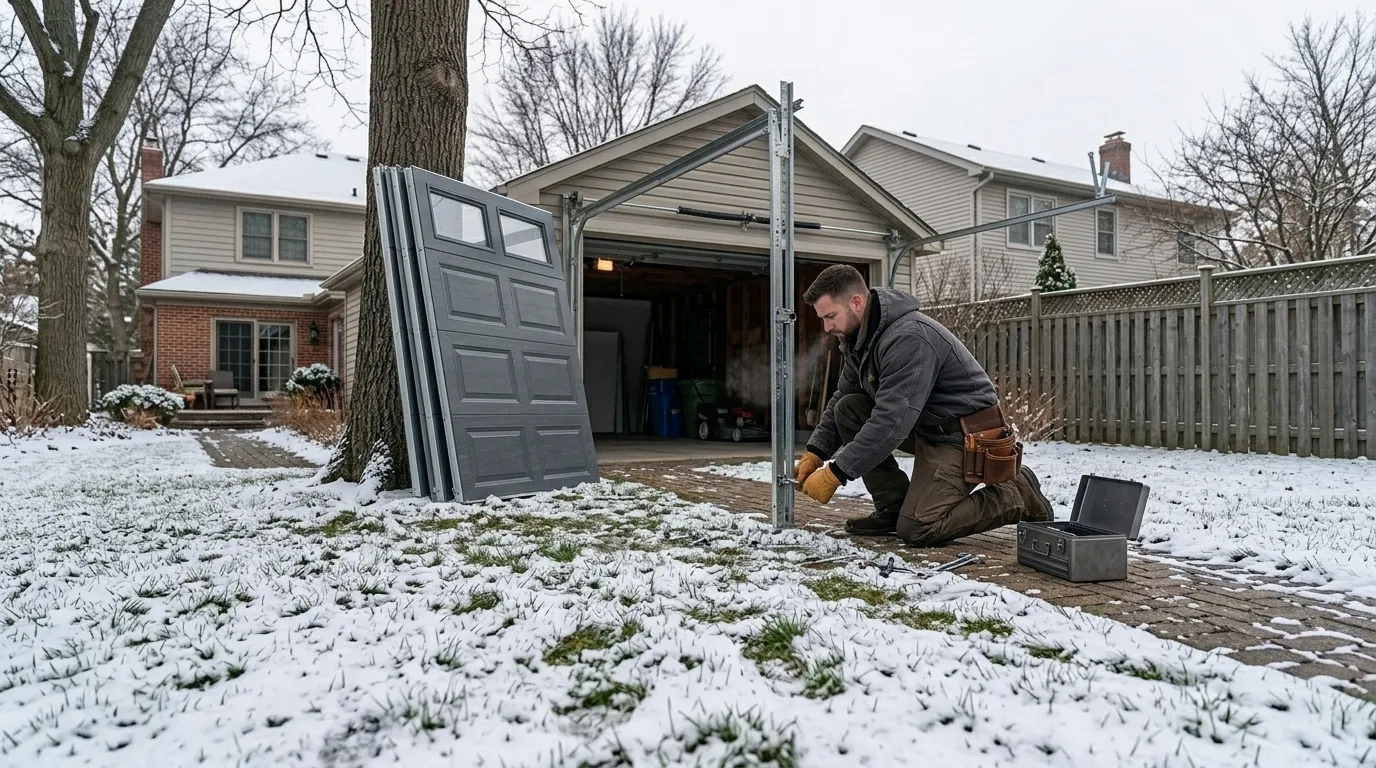
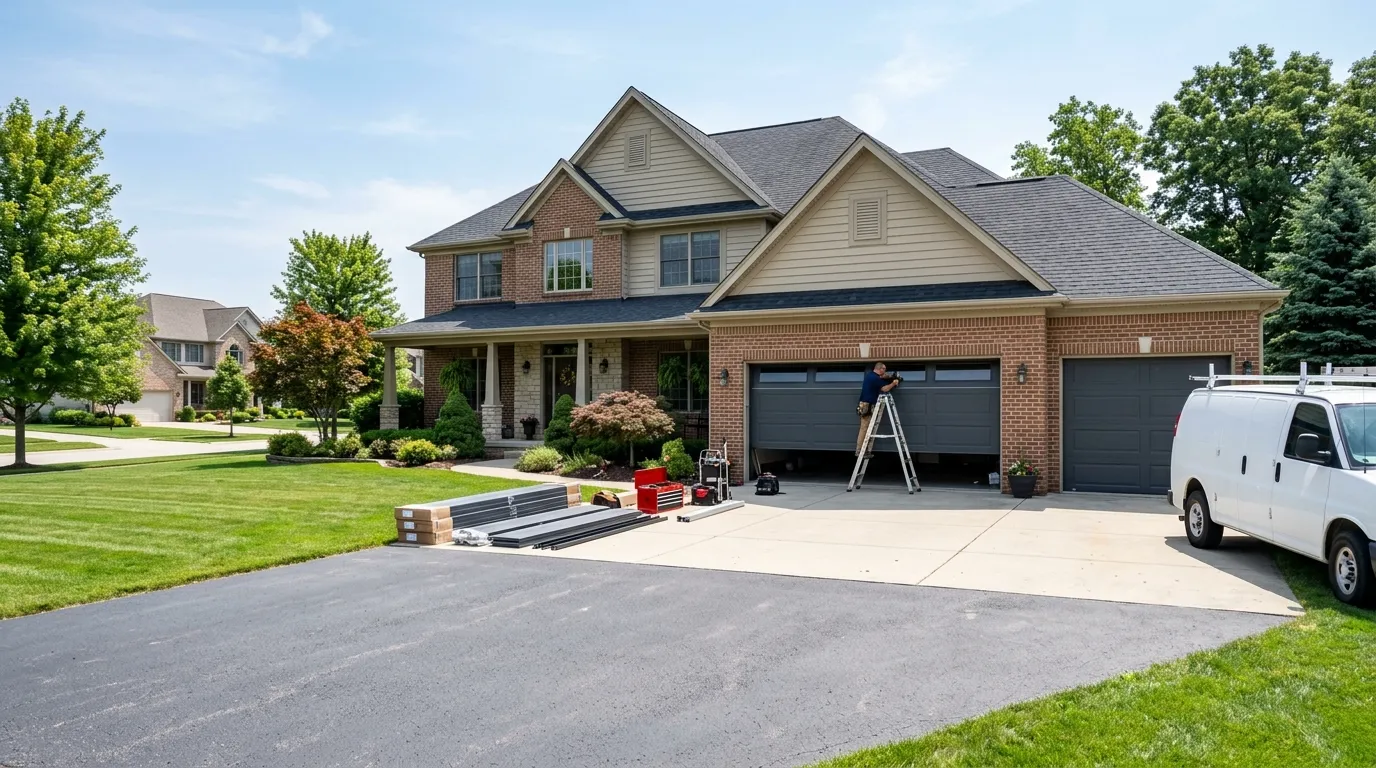
We don't keep a depot or a crew stationed in South Barrington - every job here is a drive out from our Morton Grove shop, 19 miles away, and we're upfront about that when scheduling. If a part for an older or less common opener model needs to be special-ordered, that adds time regardless of how close or far the job is. We also won't push a repair on a door that's genuinely at the end of its run just to avoid a harder conversation about replacement; on a 1990s door, that's rare, but it happens with heavily used doors on detached garages or outbuildings that see more cycles than a typical home. If a fix isn't worth the cost compared to a new door, we'll say so plainly instead of billing for a patch that won't hold.