The Usual Work Here
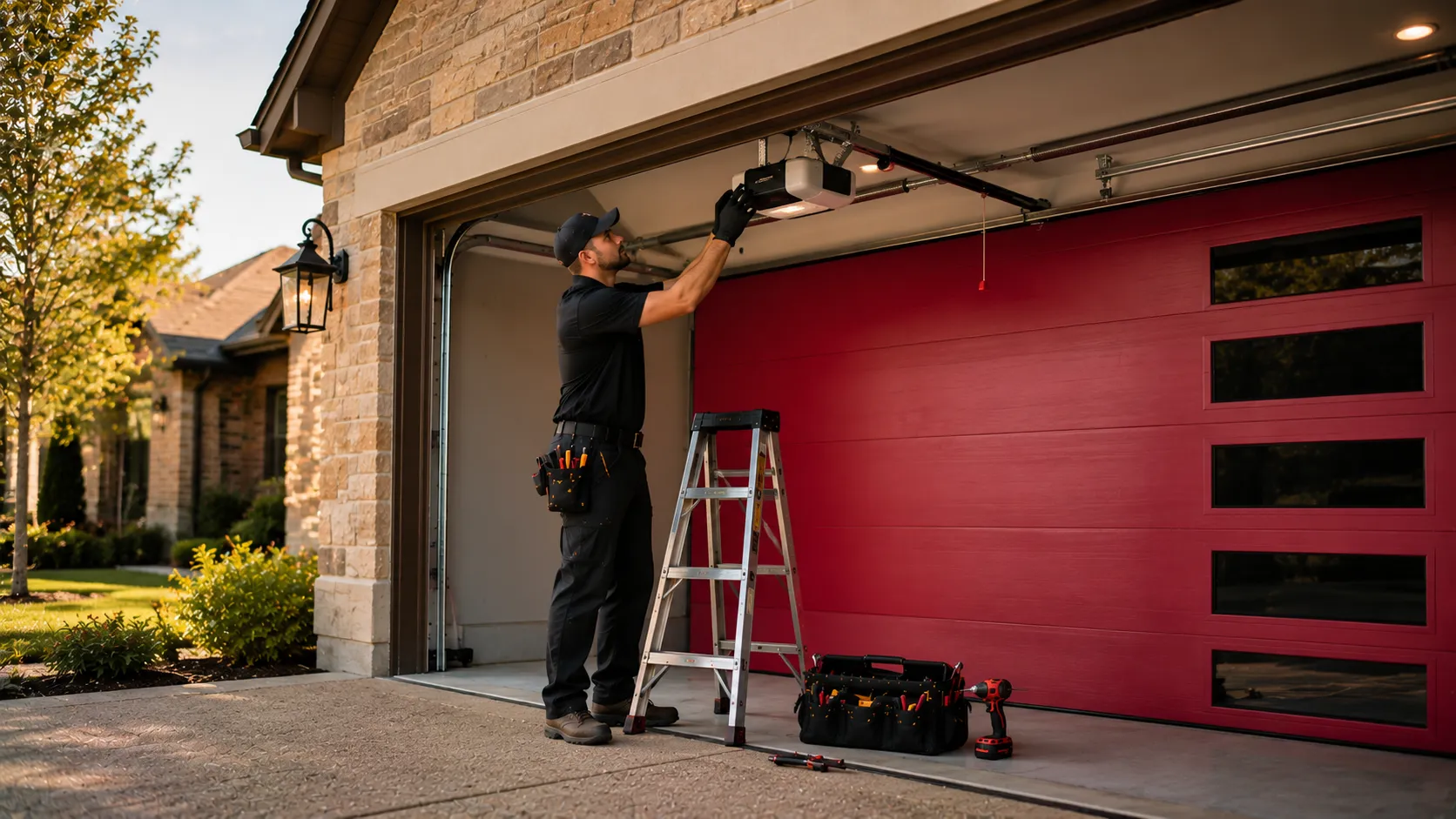
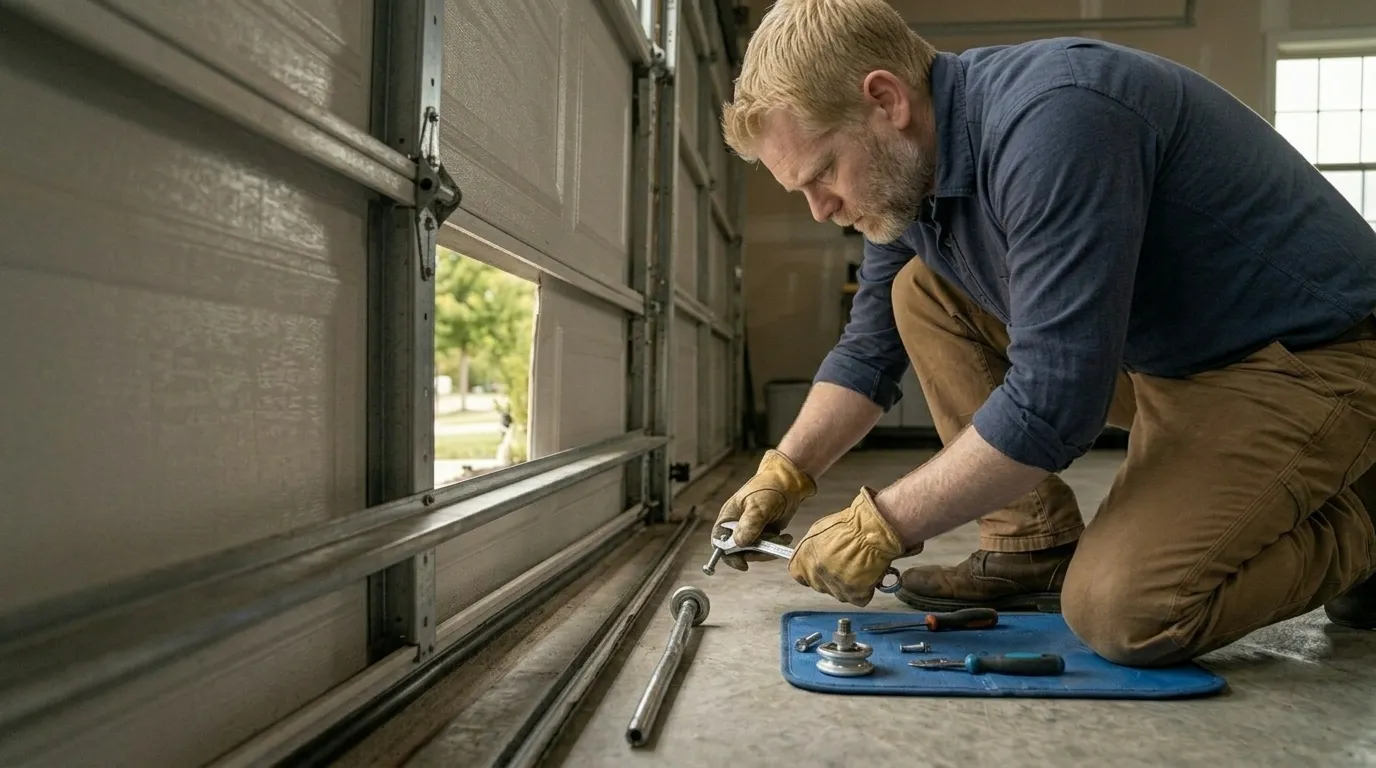
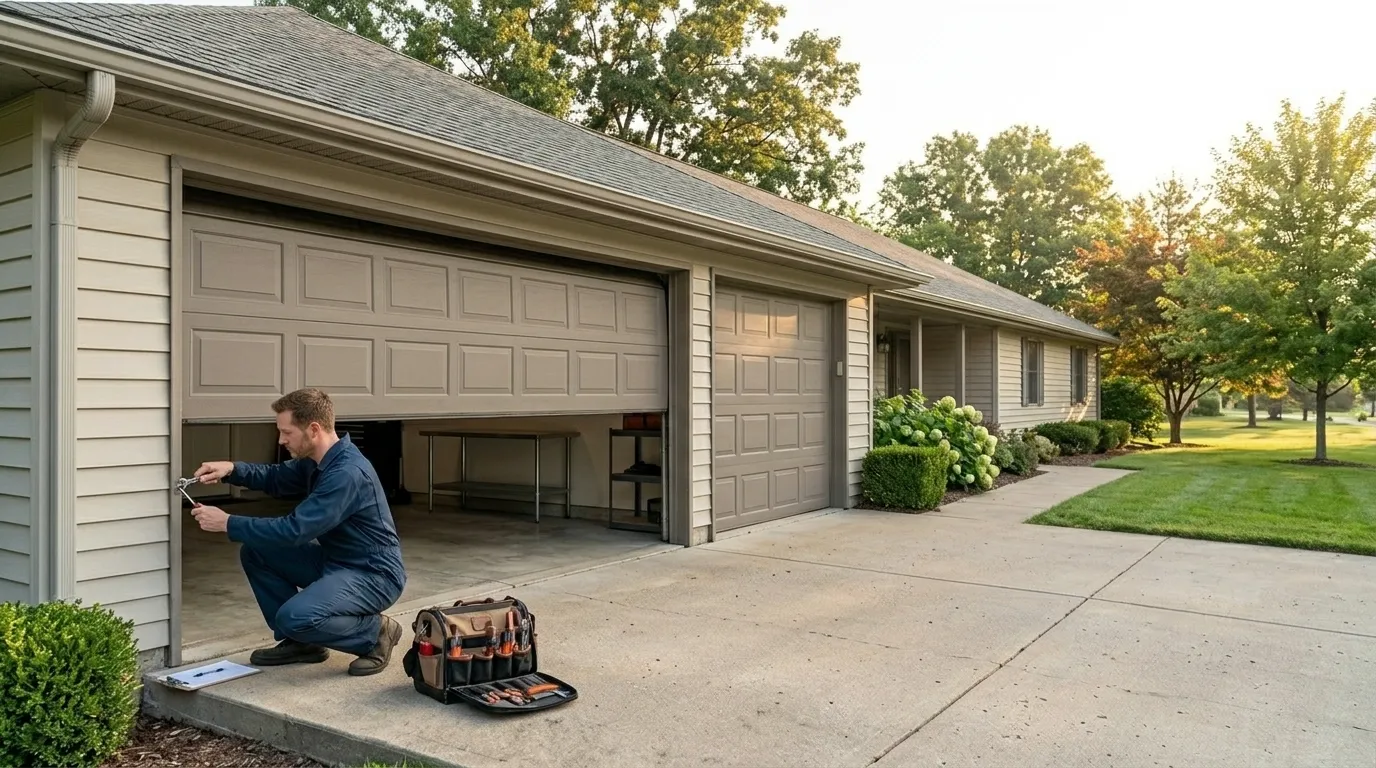
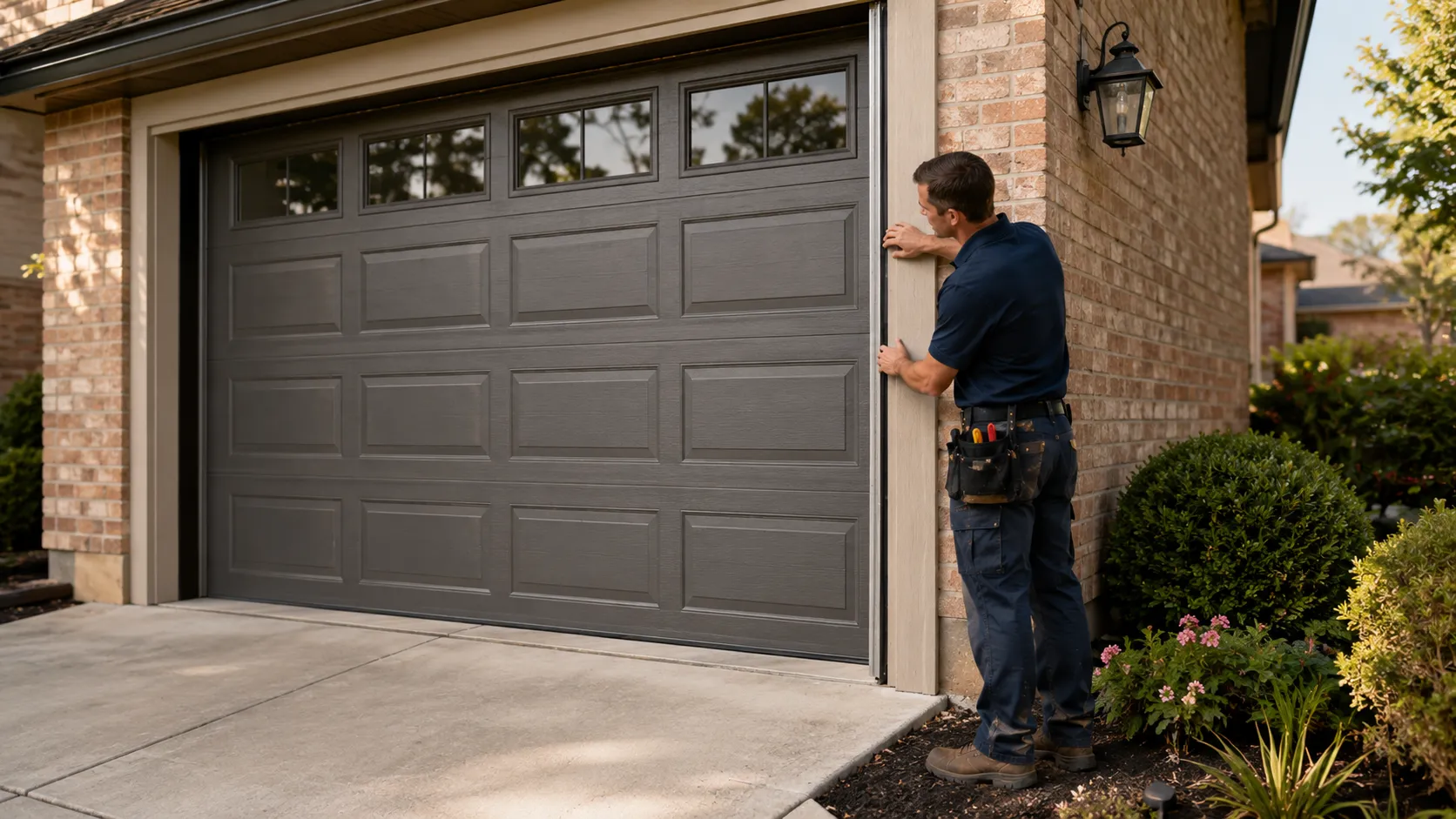
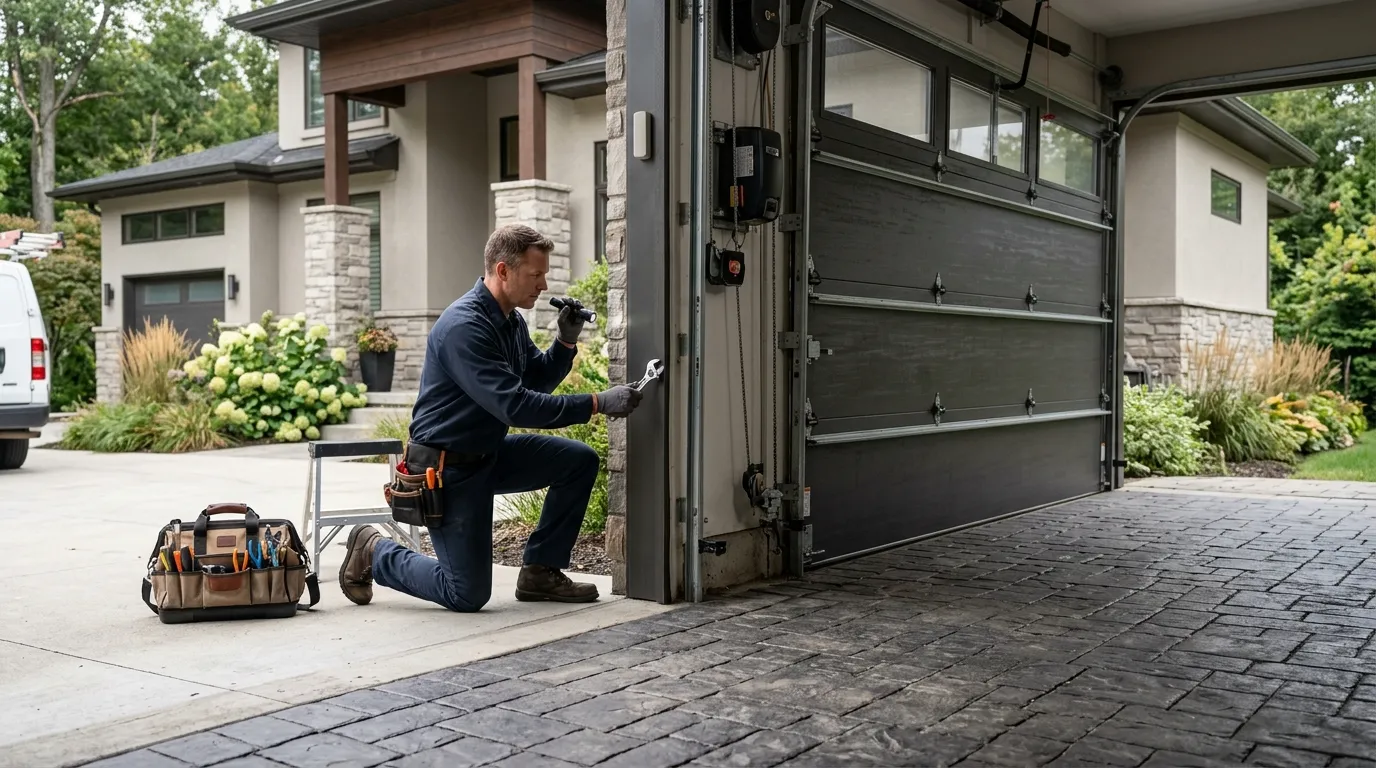
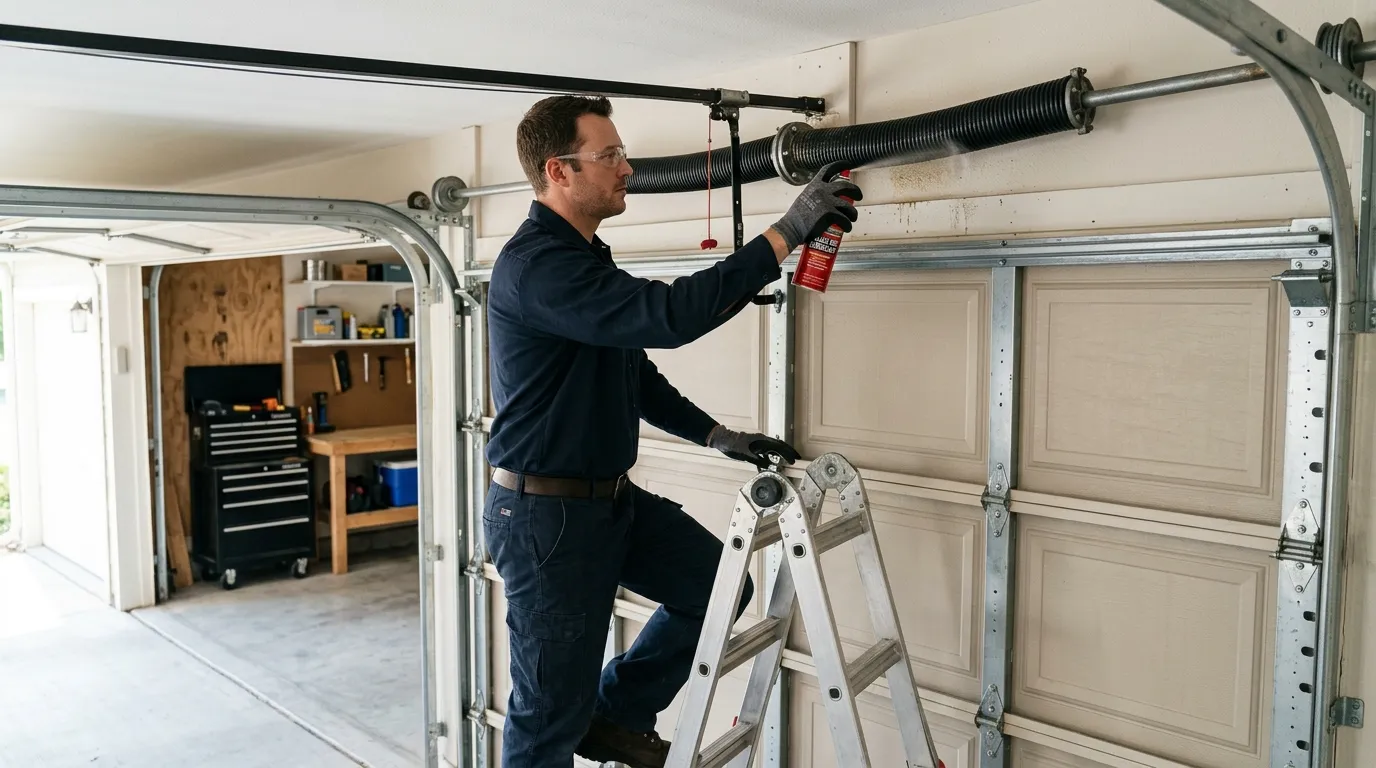
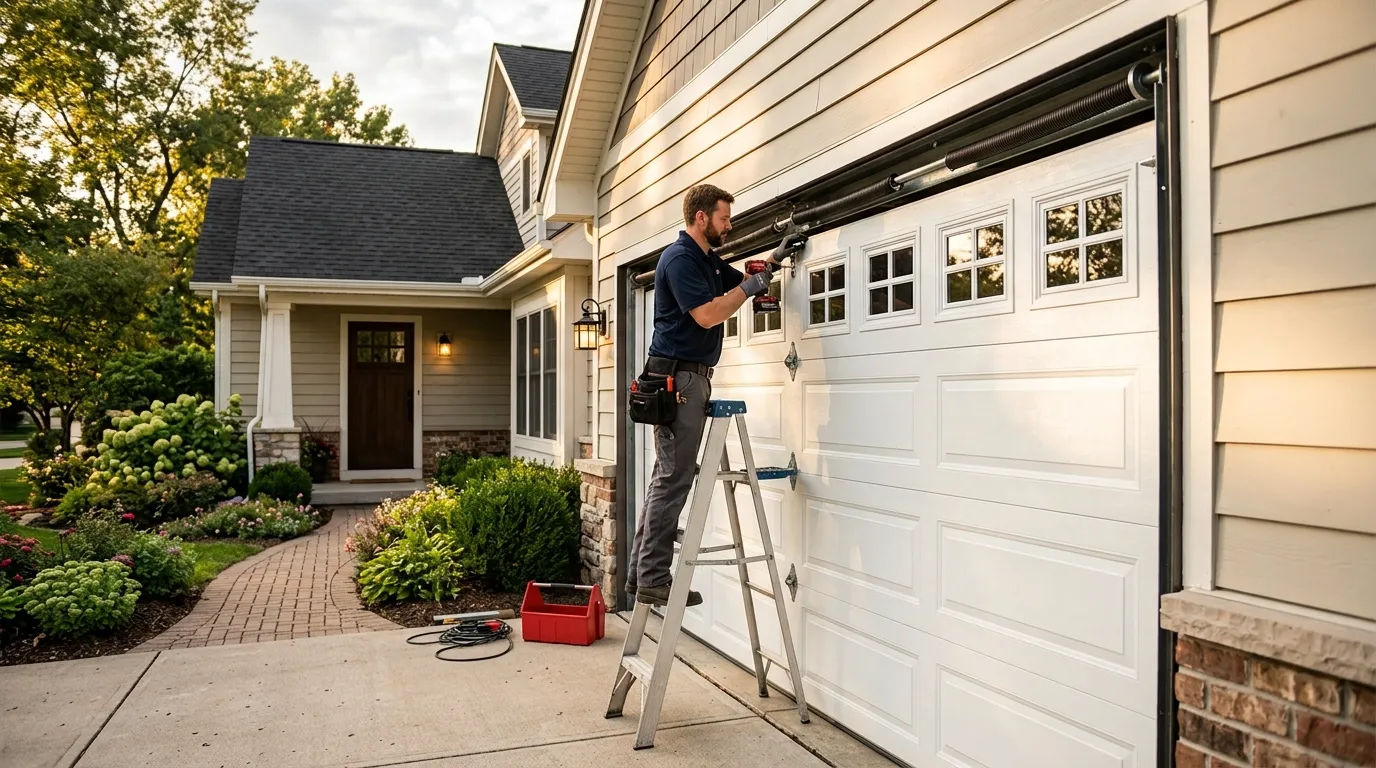
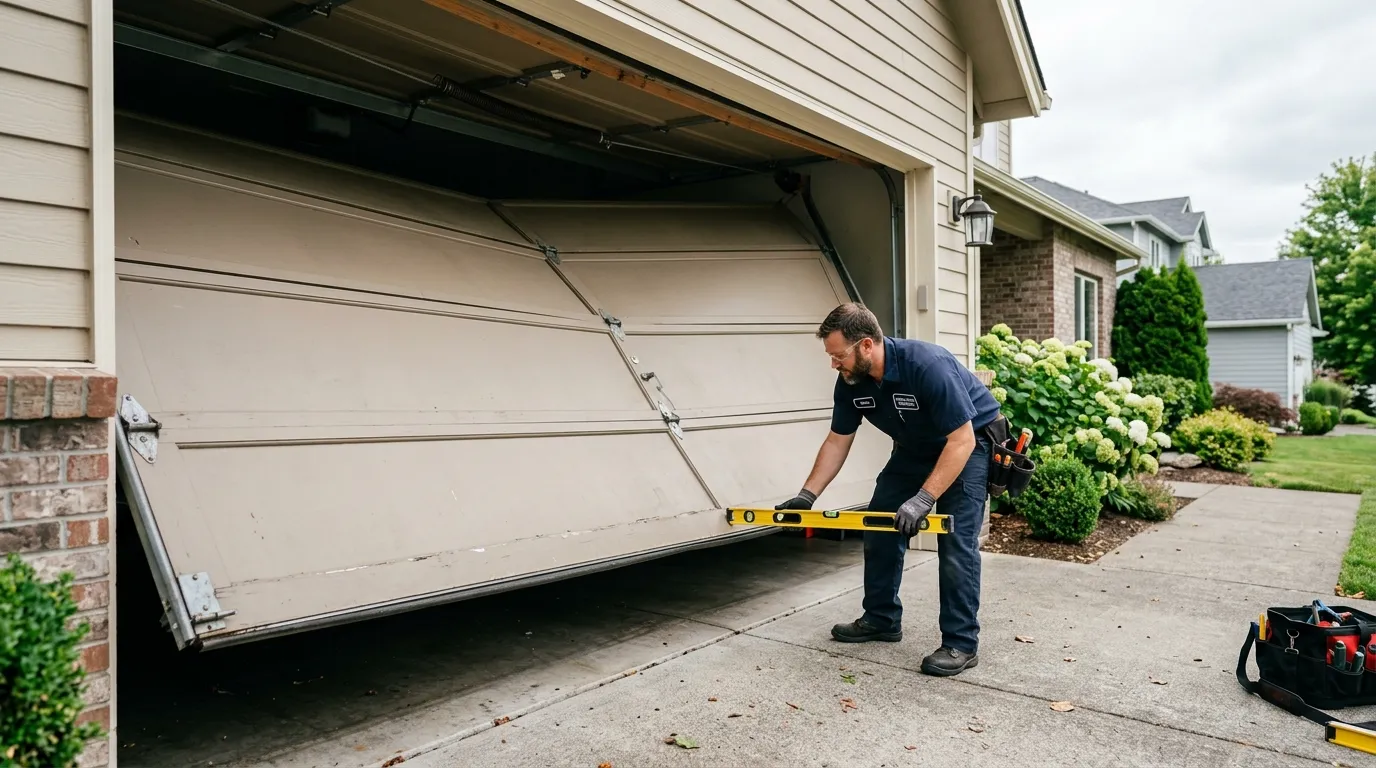
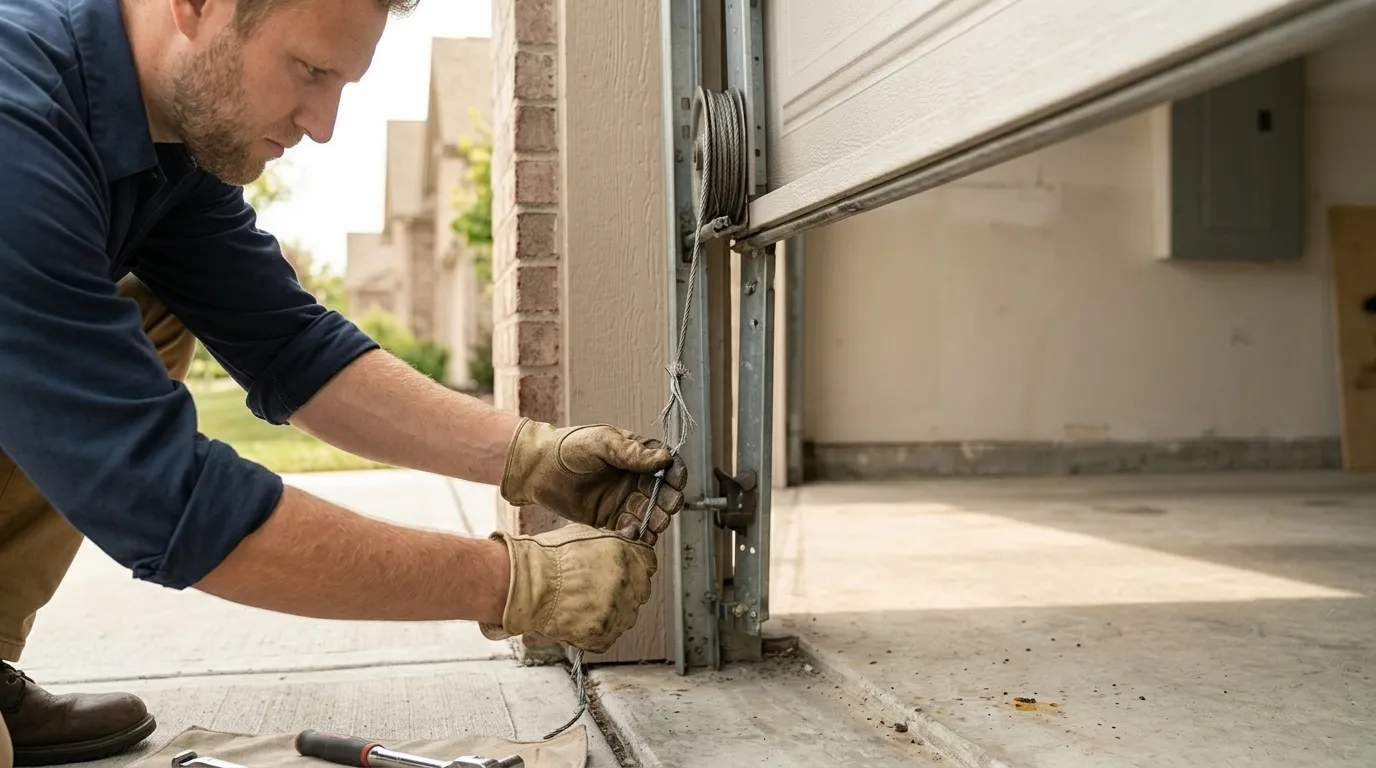
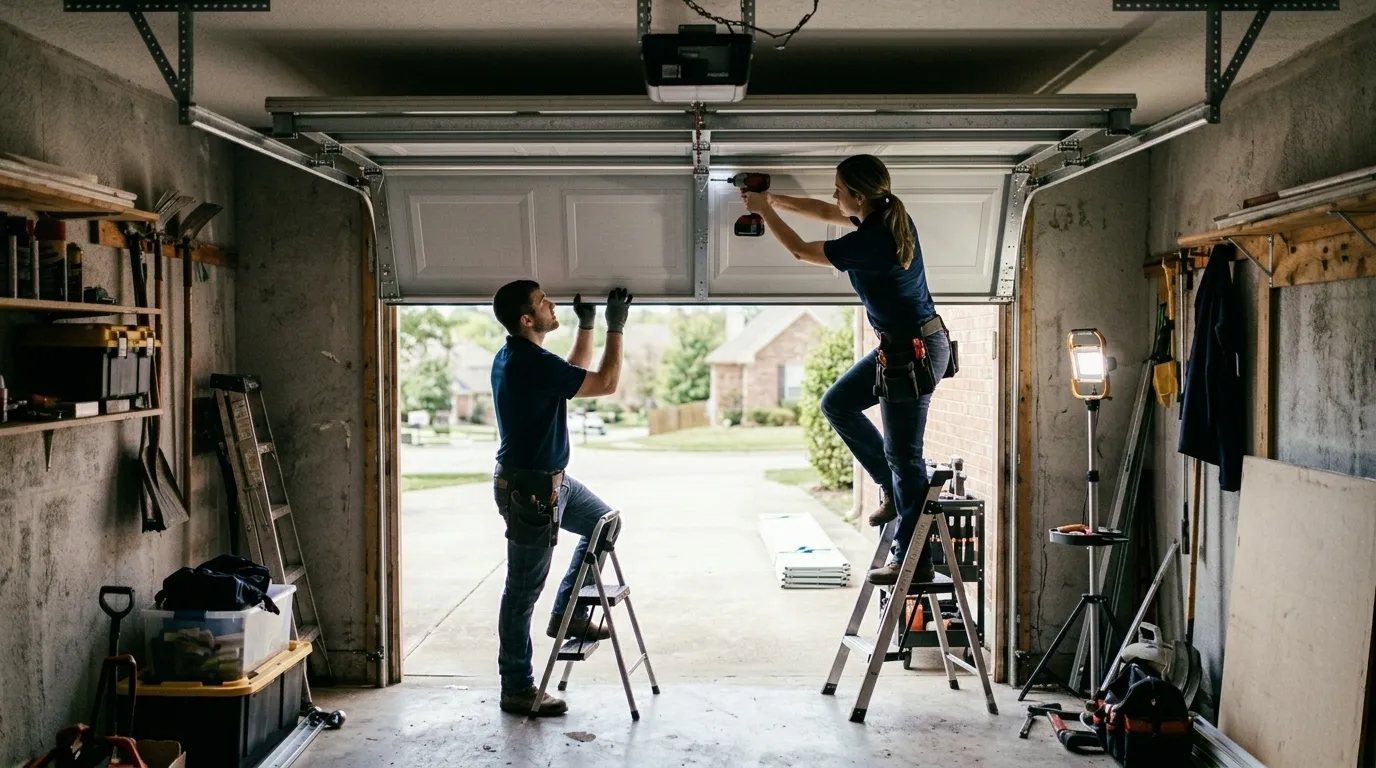
Most of the calls we get from Summit come down to the same handful of problems, and they trace straight back to when the houses here were built. A lot of these garages still have the torsion spring that came with the house, sized for a door that's lighter than what's sold now, and once winter sets in that spring is the first thing to snap. We also see openers that are original or close to it - chain-drive units from a much older generation of hardware, with no safety sensors and motors that grind before they quit outright. Panel damage is common too, usually where a door got backed into once too often and the steel from that era dents rather than flexes. We don't see many high-end insulated doors on these calls; the houses in Summit mostly didn't get those upgrades, so we're often working with the original track width and original header clearance, which limits what replacement door can go in without extra framing work. It's straightforward work, but it's not the same as a service call in a neighborhood built in the 90s, and treating it that way is how a tech shows up with the wrong spring.
What That Means for Doors
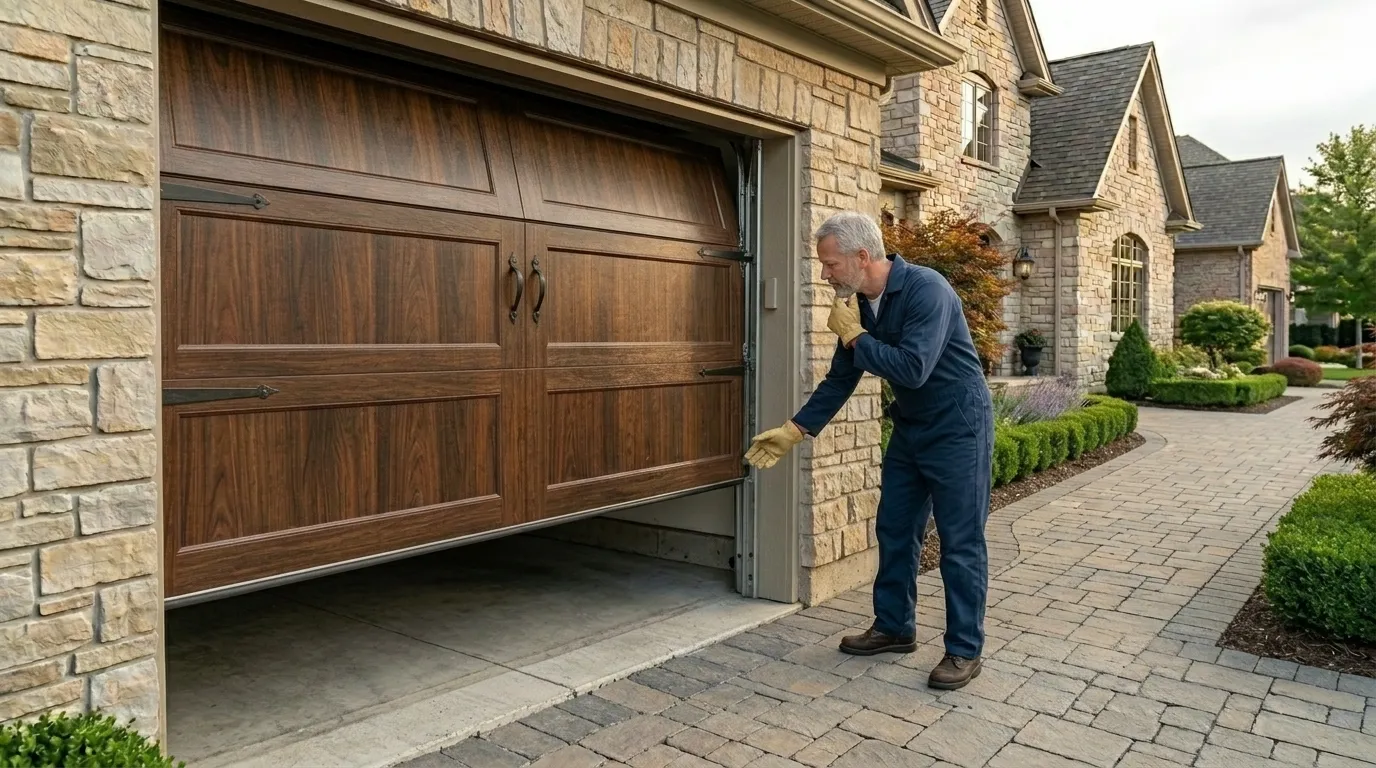
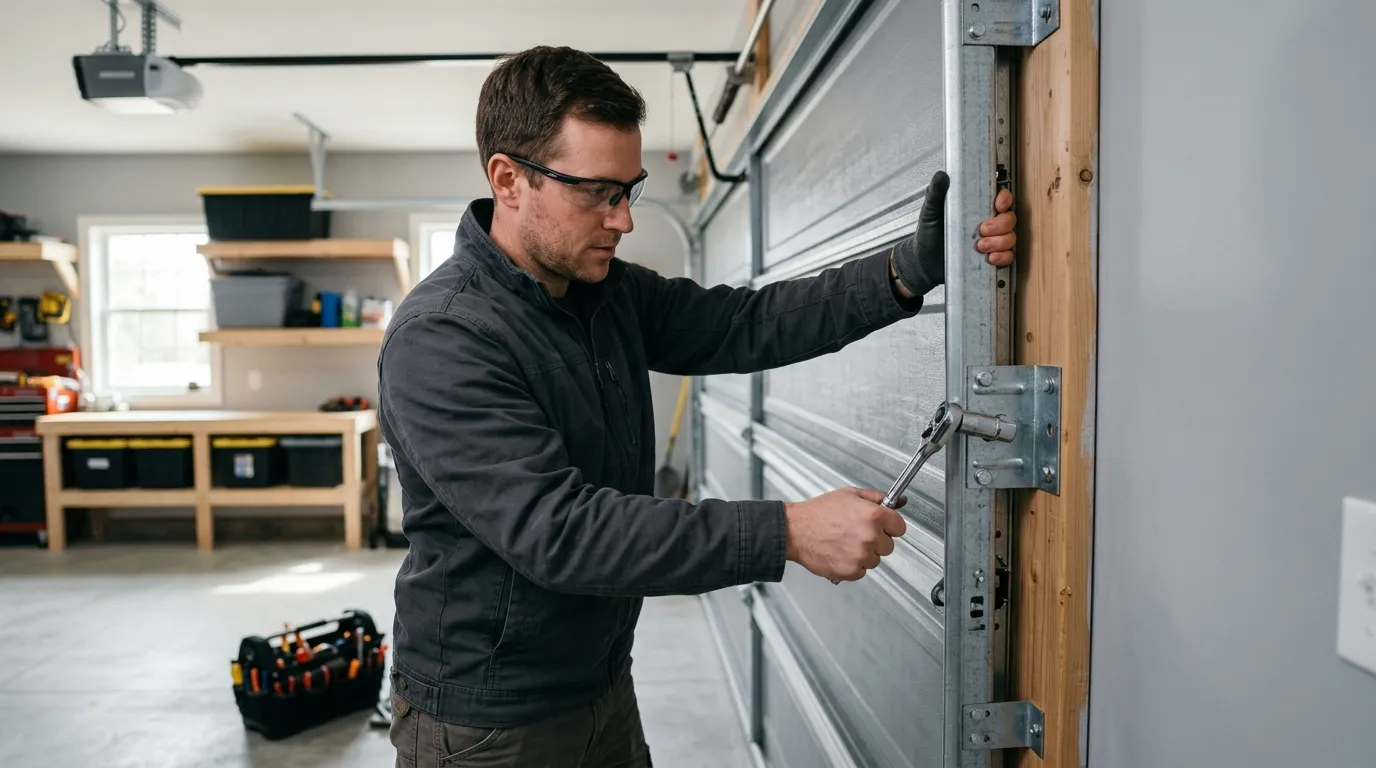
A door built for a 1958 opening was almost always sized for a lighter panel - wood, or early single-layer steel - and the torsion spring on that door was wound to match that weight. Drop in a modern steel or insulated replacement panel without checking the spring, and you get a door that won't stay up on its own or one that slams down because the spring is fighting more weight than it was built for. Track width from that era is narrower too, which rules out some off-the-shelf doors without a bracket swap. Median household income in this area is $60,417, notably below the $105,995 median across our broader service area, and that gap shapes the advice we give: a full replacement isn't always the right call when the frame and track are sound and a rebuilt spring system solves the actual problem. We'll tell you when a repair is the honest answer, not just the cheaper one, and we'll tell you when the door itself has outlived what a repair can fix.
Where We Stop
We work out of Morton Grove, about 18 miles from Summit, and we're straightforward about what that distance means. We don't keep a depot in Summit, we don't promise same-day arrival, and on a morning with several calls ahead of yours, the drive itself adds to the wait. We also don't carry every legacy part that fits a door built in the late 1950s - some brackets and drums for that era of hardware aren't something any truck stocks, and if your door needs one, we'll tell you upfront rather than string out a visit. What we will do is diagnose the actual failure, quote what a fix costs against what a replacement costs, and not push a new door on a spring that a proper rebuild would solve. If the honest fix is a $40 part and an hour of labor, that's what we'll say, even after driving 18 miles to say it.